
In today’s classrooms, we are facing more than academic gaps—we are navigating emotional and relational gaps as well. One of the most misunderstood truths in education is this: students who want and need love the most often show it in the most challenging ways.
- Instead of raising their hands, they raise disruptions.
- Instead of asking for help, they test limits.
- Instead of seeking connection appropriately, they push adults away.
This is not new—but it is more visible than ever.
If you’re a teacher feeling overwhelmed by constant misbehavior in your classroom, this perspective shift could transform not only your classroom management but also your impact as an educator.
The Hidden Message Behind Misbehavior
Many students walk into our classrooms carrying unseen baggage—family instability, lack of attention, trauma, or simply a deep need to feel valued. When those needs go unmet, behavior becomes communication.
What looks like defiance may actually be:
- A need for attention
- A desire for control in a chaotic life
- Fear of failure masked as avoidance
- A longing to feel seen and accepted
In other words, misbehavior is often a child’s way of asking, “Do I matter?”
As educators, recognizing this doesn’t mean excusing poor behavior…not by any means! But, it means responding with both structure and understanding.
Why This Matters More Than Ever
In a world where students are increasingly disconnected—from family time, from meaningful relationships, and sometimes even from themselves—teachers are often the most consistent adult presence in their lives.
That puts you in a powerful position.
You are not just managing behavior—you are shaping identity, self-worth, and emotional growth.
When students feel loved, respected, and understood, behavior improves naturally. Not overnight—but consistently.
5 Powerful Strategies to Support Students Who Need Love the Most
Build Relationships Before You Enforce Rules
Rules matter—but relationships make rules work.
Students are far more likely to follow expectations when they feel respected by the person giving them. So, how do you build that respect? You start by doing the following:
- Learn their interests (Be sure to check out my post on interest inventories. I’ll leave a link.)
- Greet them by name
- Check in beyond academics
A simple “How are you doing today?” can go further than a warning or consequence.
Separate the Behavior from the Student
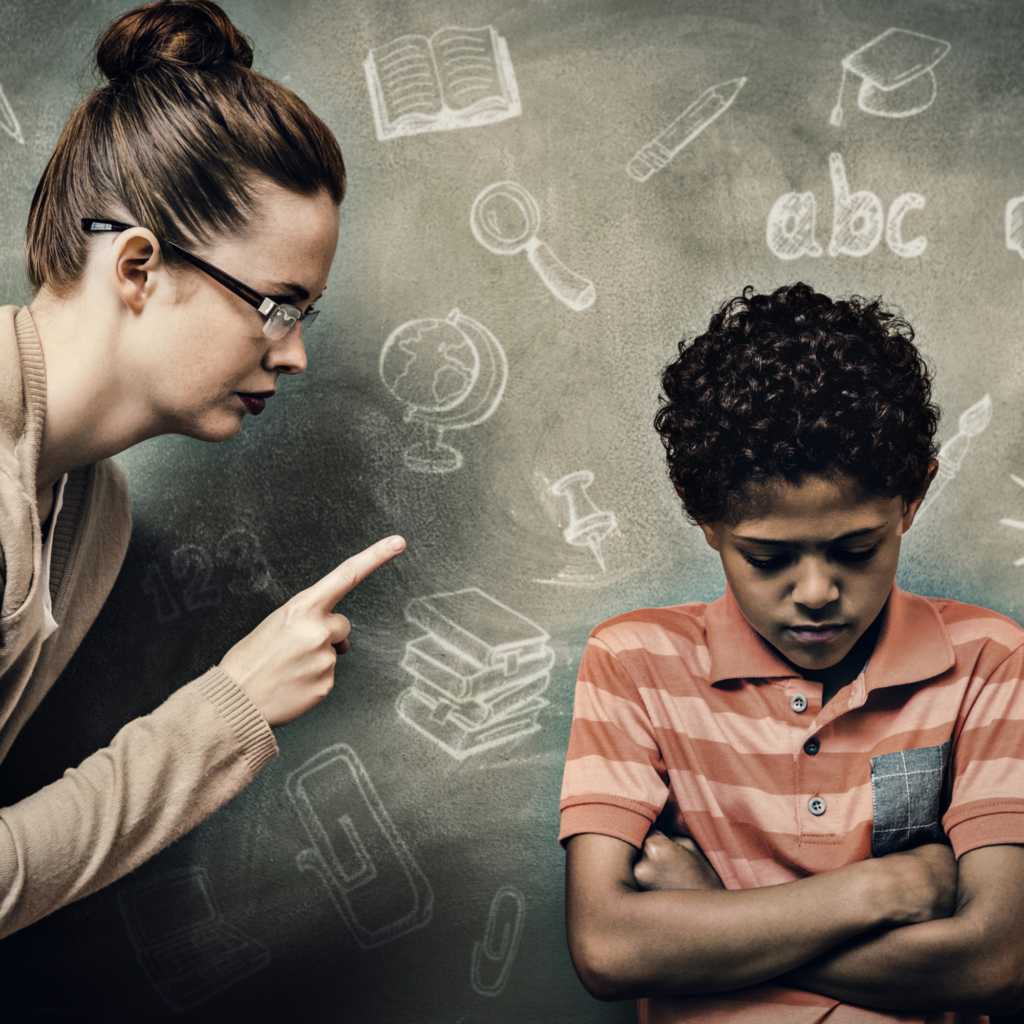
One of the most impactful mindset shifts any teacher can make is this:
“This student is not the problem…the behavior is.”
When students feel labeled as “bad,” they often live up to that label. I know I sure did in school. When my teachers thought that I was bad, I showed the “bad”. When my teachers believed in me and expressed their expectations, I showed up as the smart, well-behaved students that they expected.
So, instead of labeling students, we need to:
✔️ Address the action, not the identity
✔️Use language like, “That choice wasn’t appropriate,” instead of “You are disrespectful”
✔️Reinforce that they are still valued
This builds accountability without damaging self-esteem.
Create Predictable and Safe Classroom Structures
Students who crave love often come from environments that lack consistency. Your classroom can become a place of stability.
I have a young man in my classroom who makes me want to cry some days. He is constantly misbehaving. He starts arguments and picks fights with the other students. And, he loves to try to get underneath my skin.
But, I have learned all of this behavior is just to cover up the fact that he is sad because his mother is dying from cancer.
Our students need consistency. How can you provide that consistency? You start by having:
- Clear routines
- Consistent consequences
- Calm, predictable responses
When students know what to expect, anxiety decreases—and so does misbehavior.
4. Give Positive Attention Intentionally
Many students misbehave simply because negative attention is better than no attention at all. These children are crying out for love…for a human connection. And, they’ll get that connection by any means necessary. Unfortunately, those means may be them creating chaos in our classrooms.
What’s the solution? Flip the script by:
- Catching them doing something right
- Offering specific praise (“I appreciate how you stayed focused just now”)
- Celebrating small wins
Positive reinforcement can dramatically reduce attention-seeking disruptions.
I had a student in my room who was supposed to be taking a very important test. But, instead of doing the test, he was attempting to go to sleep. He was trying to distract the other students. And, even though this was a timed test, he was spending more time just watching the timer on his computer count down the time.
One of my coworkers who was in the room with me said, “Watch this.” She walked over to the young man. Put her hands on his shoulders and said, “Good job. I love how hard you are working.”
And, will you believe he sat up in his desk and started working on his test without any other prompting. It was just that simple touch…those simple words of praise…that motivated him to do his best.
5. Teach Emotional Skills Alongside Academic Skills
Not all students know how to:
- Express frustration
- Handle disappointment
- Ask for help appropriately
These are learned skills, not automatic behaviors. (And, there are plenty adults who have the same problem.) To solve this problem, we must…
Incorporate:
- Quick emotional check-ins
- Discussions about handling conflict
- Modeling calm responses
When students learn how to regulate emotions, behavior improves naturally.
The Balance: Love with Boundaries
It’s important to be clear—supporting students emotionally does not mean lowering your expectations.
In fact, the most effective classrooms operate on high expectations paired with high support.
Students need:
- Firm boundaries
- Consistent consequences
- Genuine care
This balance communicates:
“I care about you too much to let you make choices that hurt your future.”
The student who disrupts your lesson may be the one who needs your presence the most. The one who challenges you daily may be testing whether you will give up on them like others have.
And the one who seems the hardest to love…
may be the one who needs it the most.
You may not see immediate change.
You may not always get appreciation.
But your consistency, your patience, and your willingness to see beyond behavior can change the trajectory of a child’s life.
Happy Teaching!!!
Other Articles to Read:
Videos to Watch