Blog Posts

29 Summer Bucket List Ideas for Tired Teachers this Summer

lawandashields131

Relax, Recharge, and Rediscover Joy This Summer

After a long school year filled with early mornings, lesson planning, grading, meetings, and classroom management, summer finally arrives like a deep breath you didn’t realize you needed. For teachers, this season isn’t just a break—it’s a necessary time for rest, renewal, and rediscovery.

But here’s the truth: without a little intention, summer can slip away quickly. One minute you’re celebrating the last day of school, and the next, you’re seeing back-to-school ads in stores. That’s why creating a summer bucket list is such a powerful way to slow down, stay present, and truly enjoy your time off.

This list of 29 fun and creative summer bucket list ideas for teachers is designed to help you do just that. It’s filled with simple pleasures, meaningful experiences, and light adventures that bring joy without adding stress. Whether you want to relax, explore, create, or reconnect—with yourself or others—you’ll find something here for you.


Why Every Teacher Needs a Summer Bucket List

Teaching is more than a job—it’s emotional, mental, and often physical work. You pour into your students every single day, often putting your own needs on the back burner. Summer is your opportunity to shift that focus.

A summer bucket list gives you structure without pressure. It reminds you to:

  • Make time for yourself without guilt
  • Try new things outside of your routine
  • Balance productivity with true rest
  • Create meaningful memories
  • Return to the classroom refreshed and inspired

Think of it as a gentle guide—not a checklist you have to complete, but a collection of possibilities waiting for you to enjoy.


Rest, Relaxation, and Self-Care

relaxing teacher practicing self-care

The first part of your summer should feel like a release…a letting go of the school year. Your body and mind need time to recover from the demands of the school year, so don’t rush into productivity. Give yourself permission to simply be.

🛌Sleep in without setting an alarm. Let your body wake up naturally.

☕Enjoy slow mornings where you sip your coffee without checking the clock. These quiet moments are often the most healing.

🌿Take a day—or several—where you intentionally do nothing. No errands, no responsibilities, no pressure. Just rest.

🛀Pair that with a long bubble bath, calming music, or even an afternoon nap, and you’ll start to feel the stress melt away.

📖Consider starting a gratitude journal during the summer. It doesn’t have to be complicated. Each day, write down three things you’re thankful for. This simple habit can shift your mindset and help you stay grounded in joy.

woman with hat on reading in nature
woman reading in nature

🙆‍♀️You might also explore gentle yoga, meditation, or deep breathing exercises. Even five to ten minutes a day can make a difference in how you feel mentally and emotionally.

📱This one may be hard for some of us. And, I’m definitely guilty. Do a digital detox. Spend a full day—or even a weekend—offline. No emails, no scrolling, no notifications. Just real life happening in real time.


Getting Outside and Enjoying Nature

African American woman walking in nature
Woman walking in nature

🪺After spending so much time indoors during the school year, summer is the perfect opportunity to reconnect with the outdoors. Fresh air and sunshine have a way of restoring energy and lifting your mood.

🏖️Visit a nearby lake, river, or beach. You don’t need a big vacation to enjoy the water—sometimes a simple day trip is enough to feel refreshed. Bring a book, a snack, and let yourself unwind by the water.

🚶‍♂️‍➡️Take a walk through a local park or nature trail. Notice the sounds, the colors, and the feeling of being present in the moment. 🥾If you’re feeling adventurous, try hiking or even kayaking for a new experience.

🧺Plan a picnic, either by yourself or with loved ones. There’s something special about eating outside, surrounded by nature. It turns an ordinary meal into a memory.

🌅Make time to watch the sunrise or sunset. These quiet, beautiful moments remind you to slow down and appreciate the world around you.

⭐You could even try something simple like walking barefoot in the grass or lying under the stars at night.

These small experiences often bring the greatest sense of peace.


Savoring Food, Fun, and Simple Joys

Summer is also about enjoying the little things that make life sweet. Food, laughter, and shared moments can turn an ordinary day into something special.

🍳Try a new recipe each week. It could be something light and refreshing, like a summer salad, or something fun like homemade popsicles. Cooking without the pressure of a busy schedule can actually be enjoyable.

🫕Host a backyard barbecue, a casual get-together with friends, or an adult tea party🫖 (my fav!). It doesn’t have to be fancy—just good food, good company, and a relaxed atmosphere.

🍷🍽️Explore local restaurants you’ve never tried before. Summer is a great time to step out of your routine and discover new favorite spots.

🍦Have an “ice cream day” where you treat yourself just because. My favorite way to do this is to add my ice cream on top of my warm apple pie.

🍳Start your morning with breakfast outside, enjoying the quiet before the day begins.

🍝You might even create themed nights at home—like “Movie Night” or “Pasta Night”.


Exploring Creativity and Personal Growth

Once you’ve had time to rest, summer becomes a great opportunity to reconnect with your creative side.

🎨Start a new hobby you’ve been curious about. Whether it’s painting, sewing, gardening, or photography, give yourself permission to be a beginner. The goal isn’t perfection—it’s enjoyment.

🎯Consider creating a vision board for the upcoming school year or for your personal life. It’s a fun and visual way to define your goals for the year, to set intentions and to stay inspired.

📒Journaling is another powerful tool. Write about your experiences, your thoughts, or even your goals. It can be as structured or as free-flowing as you like. (Be sure to check out my other posts on journaling)

✏️If you enjoy writing, try creating a blog post, short story, or even social media content. Summer is a great time to explore ideas without deadlines.

📔You could also organize your favorite memories into a scrapbook or photo album. Reflecting on happy moments can bring a sense of gratitude and joy…and help you stop thinking about the school year.


Making Memories and Trying New Experiences

Summer is the perfect time to step outside your usual routine and create lasting memories. These experiences don’t have to be big or expensive—they just need to be meaningful.

🚶‍♀️‍➡️Take a day trip to a nearby town or city you’ve never explored. Walk around, visit local shops, and enjoy the feeling of being somewhere new.

🖼️Visit a museum, historical site, or local festival. These outings can be both fun and enriching, giving you new perspectives and ideas.

📸Document your summer by taking pictures or writing about your experiences. These memories will be something you can look back on and cherish.

📝 Write a letter to your future self or set a few simple intentions. These don’t have to be work-related—they can focus on maintaining balance…staying grounded…focusing on you instead of school.


Slowing Down as the School Year Ends

The school year is over, and you deserve some time to yourself. You deserve to focus on the things that bring you joy. As a teacher, you spend so much of your life giving—to your students, your school, and your community. Summer is your time to receive.

This bucket list isn’t about doing everything perfectly or staying busy. It’s about creating moments that bring you joy, peace, and fulfillment. It’s about remembering who you are outside of the classroom. Every moment of rest, every laugh, every new experience is helping you recharge. So, give yourself permission to enjoy every bit of your summer.

Other Articles to Read:

Videos to Watch:
45 of the Most Creative Summer Journal Writing Ideas for Southern Women

lawandashields131

I am a southern girl through and through. And, as  summer approaches, it’s time to start thinking about being outdoors and doing one of the things that I love most…journaling. There’s something special about summer in the South. Southern summer days stretch longer, and life seems to slow down just enough for us to breathe, reflect, and reconnect with ourselves. Whether it’s sipping sweet tea or lemonade on the porch, listening to crickets at sunset, or tending to a backyard garden, summer offers the perfect backdrop for journaling.

Journaling is a perfect way for you to capture your thoughts, memories, and dreams this summer while enjoying the season. It doesn’t have to be complicated or time-consuming. In fact, the best journaling is simple, honest, and filled with your unique voice.

So, here are 45 fun, creative summer journal writing ideas that will inspire reflection, spark joy, and help you create lasting memories—all while embracing the beauty of Southern living.

(more…)

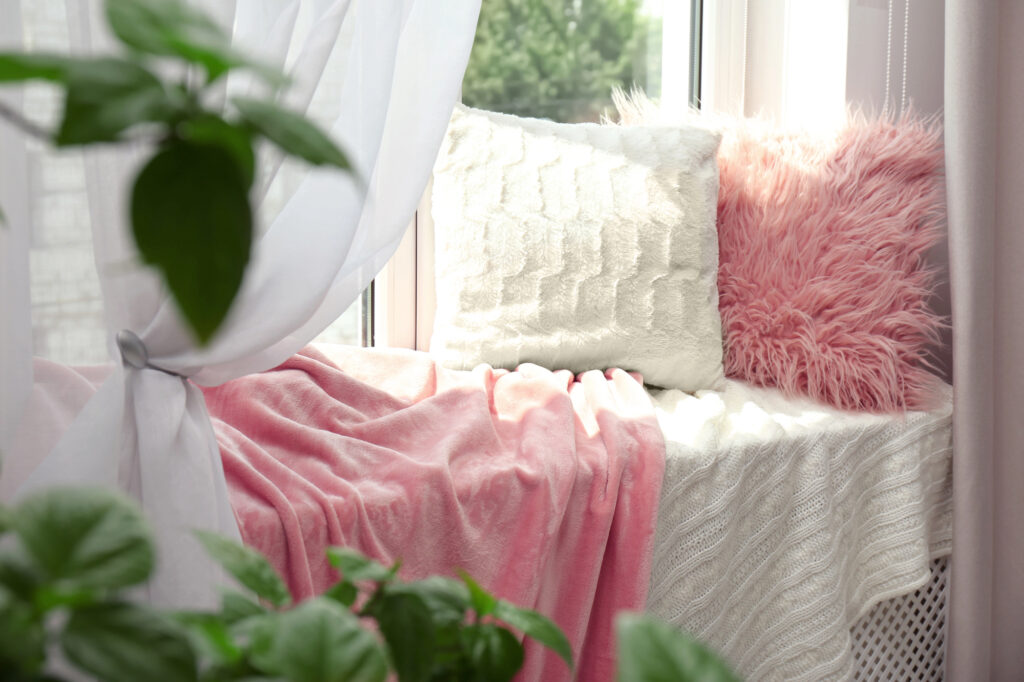
How to Build a Southern-Inspired Summer Reading Nook for Women Over 40 Who Need a Break

lawandashields131

Porch Swings & Paperback Books

There comes a moment—usually sometime between answering everyone else’s needs and forgetting your own—when your soul quietly whispers, “I need a break.” Not a rushed vacation. Not a weekend full of obligations disguised as rest. ( Hey, I’m definitely guilty of the “fake weekend rest”) But true rest. Rest where you are away from the kiddos, the hubby, pets, and all responsibility.

For many of us—those balancing careers, caregiving, homes, and expectations—rest doesn’t come easily. It has to be created. And, protected!

As a Southern Belle, those lazy summer evenings can be just the thing. And, a Southern-inspired summer reading nook can be a true blessing.

I’m talking a gently swaying porch swing, the hum of crickets in the background, a tall glass of iced tea or homemade lemonade sweating in the heat, and a paperback novel resting softly in your hands. No notifications. No deadlines. (No school…if you are a teacher like me.) Just you, your thoughts, and a story that carries you somewhere slower… softer.

This isn’t just about decorating a cute corner. It’s about reclaiming your peace. Let’s build your sweet, southern, summer escape.

(more…)

Nature-inspired, Spring Decoration for Your Homeschool Classroom Your Kids will Love!

lawandashields131

Bringing the Outdoors Into Your Spring Lessons

Spring has a way of waking everything up—including our homeschool routines. The days grow longer, the air feels lighter, and suddenly the idea of sitting under those harsh lights with worksheets feels…boring…and, wrong…just wrong! This is the season when learning wants to breathe.

Nature-inspired homeschool decorating isn’t about buying new supplies or blowing the budget on something else frivolous. It’s about using the natural world as both your backdrop and your curriculum, creating a learning environment that reflects renewal, curiosity, and calm.

So, how do you bring nature into your homeschool classroom? One way is through its décor. Home décor that is intentional…as well as affordable can help support spring-themed learning and outdoor education at home—without overwhelming you or cluttering your space.


Why Nature-Inspired Decorating Works for Homeschooling

Long before textbooks and screens, children learned through observation—watching seasons change, animals migrate, plants grow, and weather shift. And, don’t get me started on planting and growing crops. (Hey, I’m a Mississippi county girl. I know about planting and growing. 🙋🏾‍♀️ )When you design your homeschool environment around natural elements, you tap into that ancient learning instinct.

Nature-based learning environments reduce stress, improve focus, and increase creativity in children. But, even without formal studies, most homeschool parents can feel it instinctively: children are calmer and more engaged when their surroundings feel open, organic, and connected to the world outside.

Nature-inspired homeschool decorating works because it:

  • Encourages curiosity and observation
  • Supports multiple learning styles
  • Creates a calm, focused atmosphere
  • Reinforces spring science, literacy, and art lessons
  • Makes learning feel seasonal and alive

Instead of fighting spring restlessness, you design your space to flow with it.


Start With a Spring Reset: Clearing Space for New Growth

Before adding anything new, spring invites us to let go. Nature doesn’t pile new growth on top of decay—it clears space first.

Take time to gently reset your homeschool area. This doesn’t require a full overhaul. Even small changes can signal a seasonal shift.

Remove winter-heavy visuals like dark colors, snow imagery, or overcrowded bulletin boards. Swap them for lighter tones, open wall space, and breathing room. Rotate books to highlight nature, animals, weather, gardening, or seasonal poetry. (Be sure to check out my blog post on my favorite spring-themed books!)

Decluttering creates visual calm, which makes any nature-inspired elements you add feel intentional rather than chaotic.

Think of this reset as preparing soil before planting. The learning that follows will take root more easily.


Bringing Natural Materials Into Your Homeschool Space

One of the simplest ways to embrace nature homeschool ideas is by incorporating real, tactile materials. These items ground learning in the physical world and invite hands-on exploration.

Wood, stone, cotton, linen, and wicker all bring warmth without distraction. A wooden tray for supplies, a woven basket for books, or a stone collection from your backyard instantly transforms a shelf into a learning station.

Natural materials also age well. They don’t feel disposable or trendy, which makes them perfect for homeschool families who value sustainability and intentional living.

Children instinctively interact differently with natural objects. A basket of pinecones becomes a math manipulative, a writing prompt, and a science specimen—all without instruction.


Creating a Living Science Wall for Spring

Spring science doesn’t need to be confined to notebooks. A nature-inspired homeschool wall can evolve throughout the season, turning observation into an ongoing project.

Designate one wall or bulletin board as your Spring Discovery Wall. Instead of pre-printed posters, allow it to grow organically with your lessons.

You might include pressed flowers labeled by species, leaf rubbings, weather charts, bird sketches, or handwritten questions your children ask during outdoor walks. Add photos from nature outings or simple drawings that document changes over time.

This kind of wall becomes a visual timeline of learning. It shows children that knowledge isn’t static—it grows, just like spring itself.


Nature-Themed Reading Nooks That Invite Curiosity

plants in a nature-inspired reading nook

Spring is the perfect season to refresh your reading space. A nature-inspired reading nook encourages quiet reflection while still keeping students connected to the outdoors.

Use soft, neutral colors paired with botanical prints or animal illustrations. Add floor cushions, a small rug with leaf or floral motifs, and a basket of spring-themed books. Position the nook near a window if possible, allowing natural light to become part of the experience.

Books about plants, ecosystems, animals, and outdoor adventures feel more immersive when read in a space that reflects their themes. This subtle alignment strengthens comprehension and emotional connection to the material.

Reading in spring doesn’t have to stay indoors, either. Consider rotating your reading nook outside on warmer days—proof that nature-inspired decorating isn’t limited by walls.


Spring-Themed Learning Displays That Teach Without Overstimulating

Decorating for learning works best when visuals support instruction rather than overwhelm it. Nature-inspired displays are naturally calming, making them ideal for spring-themed learning.

Instead of bright borders and busy charts, choose muted greens, soft blues, and earth tones. Hand-drawn diagrams of plant life cycles, watercolor maps, or simple labeled illustrations feel more organic and less distracting.

For younger learners, visual cues like butterflies for sequencing, flowers for parts-of-speech practice, or weather icons for daily journaling keep lessons engaging without relying on cartoon imagery.

These displays quietly reinforce concepts throughout the day, turning your homeschool walls into gentle teachers.


Using Plants as Living Curriculum

Houseplants are one of the most powerful—and underrated—tools for outdoor education at home. And, one of my favorites! They aren’t just décor. They are living science experiments.

Even a few low-maintenance plants can anchor lessons in biology, responsibility, and observation. Children can track growth, measure height, document leaf changes, and learn about sunlight and water needs.

Herbs work especially well for homeschool environments. They connect science with cooking, health, and sensory learning. (Another shameless plug: Be sure to check out my blog post on How to Teach Your Students to Cook on a Budget) Children remember lessons more deeply when they can smell, touch, and taste what they’re studying.

Plants also subtly teach patience. Growth doesn’t happen on a worksheet timeline—and that’s a lesson worth learning.


Nature-Inspired Art That Doubles as Instruction

Spring art projects don’t need to be separate from academics. When displayed intentionally, student artwork becomes part of your homeschool décor and your curriculum.

Children feel pride when their work becomes part of the environment. That sense of ownership increases motivation and engagement across subjects.

spring photo journals of nature that can be used for decoration.

Incorporating Outdoor Learning Into Your Indoor Space

Nature-inspired homeschool decorating doesn’t mean abandoning indoor learning. It means creating continuity between inside and outside.

Use maps, globes, and weather charts to connect outdoor observations to broader concepts. Display tools like magnifying glasses, binoculars, or field guides where children can easily access them.

When outdoor education at home is visibly valued, children begin to see nature as a legitimate source of knowledge—not just a recess activity.

This mindset shift is powerful. It teaches children that learning doesn’t end at the desk.


Seasonal Routines That Match Your Environment

Decorating works best when it aligns with how you use your space. Spring invites flexibility, movement, and exploration.

Pair your nature-inspired décor with routines that honor the season. Shorter indoor lessons followed by outdoor exploration feel natural when your space reflects spring energy. Morning journaling near a window, science walks after lunch, or afternoon read-alouds outside reinforce the connection.

When décor, routine, and curriculum work together, homeschool days feel less forced and more fluid.


Let Spring Teach You, Too

Nature-inspired homeschool decorating is as much about mindset as it is about materials. It reminds us that learning is seasonal, cyclical, and deeply human.

When you bring the outdoors into your spring lessons, you give children permission to slow down, notice details, and engage with the world as it is—not just as it appears on a page.

And when your homeschool classroom reflects that truth, learning flourishes naturally.

Other Articles to Read:

Videos to Watch:
How Journaling Supports Teacher Mental Health During the School Year

lawandashields131

Teaching is one of the most rewarding professions in the world—but it’s also one of the most emotionally demanding. Every day, teachers juggle curriculum standards, classroom management, student needs, parent expectations, school responsibilities, and constant change. It’s no surprise that teacher burnout has become a major topic in education.

More and more educators are discovering that journaling isn’t just a hobby—it’s a powerful and accessible tool for stress relief and to help with emotional processing and personal reflection. Journaling has become one of the most recommended practices for teacher self-care and mental health because it gives educators a safe place to release pressure, process difficult emotions, and support their emotional well-being throughout the school year.


Why Teacher Mental Health Deserves Real Attention

Teaching isn’t simply a job—it’s emotional labor. A teacher is a mentor, a mediator, a problem solver, a counselor, an encourager, a coach, and sometimes even a referee. Every decision impacts a child’s learning experience—and that responsibility is heavy.

As teachers, we often face:

  • emotional overwhelm
  • burnout
  • feelings of being unappreciated
  • stress from academic pressure
  • compassion fatigue
  • physical and emotional exhaustion

And, many of us go home at the end of the day completely exhausted. Understandably, teacher burnout is causing many talented educators to leave the field entirely.

Supporting teacher mental health isn’t optional—it’s necessary for long-term classroom success. So where does journaling come in?


Journaling: A Simple Strategy With Powerful Results

Unlike complicated programs, journaling doesn’t require training, a schedule, or extra professional development (thankfully!). It’s private. It’s personal. It’s honest. It’s raw. It only requires something to write with and a willingness to be real.

Journaling is widely recognized as one of the top scientifically-supported forms of stress relief, emotional self-regulation, reflection, and growth. For some of us, it becomes a valuable space for emotional well-being during even the toughest school months.

Here’s what makes journaling so transformational:

It clears your mind

Writing thoughts down gives the brain permission to let go of clutter and tension.

It builds emotional awareness

You learn to identify what they’re truly feeling—frustration, sadness, anxiety, or overwhelm.

It reduces stress hormones

There have been studies that show that  journaling helps reduce cortisol, the body’s stress hormone.

It increases resilience

Journaling helps you learn how to respond to stress instead of being consumed by it.

It supports emotional well-being

Writing helps you step back, breathe, understand, and move forward.

Journaling can help you turn internal overwhelm into something you can actually understand and handle.


Stress Triggers Teachers Face During the School Year

frustrated teacher in class with her hand on her head

To understand why journaling is so beneficial, it helps to look at what you…along with most teachers… are dealing with week after week. The school year introduces dozens of potential stress triggers that slowly pile up until you feel mentally overloaded.

Here are some of the most common stress points in education:

1. Classroom behavior issues

Students who are off task…
arguments…
constant redirection…
classroom conflicts…

These situations drain emotional energy quickly.


2. Parent expectations

Emails, meetings, parent concerns, disagreements, misunderstandings, accusations, and unrealistic demands can feel overwhelming.


3. Academic pressure

As teachers, we are often expected to be miracle workers. We are  not only responsible for teaching but for fixing academic gaps, catching students up, raising test scores, and making sure every child succeeds no matter what challenges they face.


4. Administrative expectations

New programs, new initiatives, new tools, new systems—plus evaluations and observations—frequently change during the year.


5. Heavy workload

Lesson plans, grading, documentation, tracking progress, classroom paperwork, meetings—it never ends. (Be sure to check out my blog post on work-life balance) And, you have to learn when to say “no”.


6. Emotional exhaustion

You listen. You encourage. You support. You empathize. The emotional weight can become overwhelming without somewhere to release it.


How Journaling Helps With Emotional Processing and Teacher Mental Health

When you journal, you get a safe space to release emotion without judgment. Let’s be honest, when you tell a friend what is really wrong, you run the risk of them disclosing that information to someone else.

But, journaling allow you to be you. It isn’t “professional.” It doesn’t have to be. Best of all, you don’t have to worry about being saying the wrong thing. The journal is a private emotional companion that listens without reacting.


Reflecting on Tough Days: A Healthy Emotional Reset

Some days are easy. Other days are emotionally heavy. When you don’t unpack tough days, frustration builds and eventually turns into burnout.

Instead of carrying stress into tomorrow, journaling allows you to reflect on what happened and start fresh emotionally.

Try using reflection questions like:

  • What happened today that frustrated me?
  • How did I react?
  • What emotions came up?
  • What do I wish I had said or done differently?
  • Is there something I can try next time?

This type of reflection helps teachers:

  • let go instead of holding tension
  • process emotions without stuffing them down
  • start the next day with a fresh mindset

Reflection = emotional recovery.

teacher journaling outdoors

Grounding After Conflict or Emotional Stress

Every teacher deals with conflict at some point:

  • student disagreements
  • heated parent conversations
  • student defiance
  • conflict with coworkers
  • misunderstandings

(Another shameless plug, be sure to read my post on dealing with angry parents.)

We often replay conflict in our minds over and over—but journaling interrupts that cycle by giving the brain a place to “put” the experience. And, journaling can help with teacher mental health by helping them deal with these stresses.

Grounding journaling questions include:

  • What happened?
  • What part felt unfair?
  • What part hurt my feelings?
  • What part do I need to release?
  • What do I want to remember next time?

This turns emotional stress into emotional learning.


Journaling Helps You Reframe Negative Experiences

Journaling also teaches you perspective shifting. When writing, you naturally move from emotional reaction toward thoughtful reasoning.

Instead of thinking:
“I’m terrible at this,”

you might journal and realize:
“That situation was tough, but I handled it the best I could.”

Instead of:
“That student ruined my day,”

the reflection may become:
“That moment was stressful, but tomorrow is a new opportunity.”

Journaling doesn’t erase emotions—
it helps you move forward from them with understanding instead of frustration.


The End-of-Week Mental Health Check

This might be one of the most powerful journaling habits you can develop. Every Friday, reflect—not on lesson plans or data—but on your emotional well-being.

Try these weekly questions:

  • How did I take care of myself this week?
  • What felt heavy emotionally?
  • What made me smile?
  • What challenges do I need to mentally release?
  • What victories can I celebrate?

This weekly reflection supports emotional balance and resets the nervous system before another school week begins.


Journaling for Stress Relief

When you journal, you slow down mentally. Writing requires the brain to pause, reflect, and release. It’s a calming process similar to meditation, mindfulness, or even prayer time. It helps regulate the nervous system and slow down emotional overwhelm. Writing is emotional release.


Journaling Helps Teachers Rediscover Joy

Teaching is easy to love but also easy to lose sight of when stress overshadows joy. Journaling can help you remember why you chose this profession.


Why Journaling Supports Long-Term Teacher Mental Health

Mental health doesn’t improve through one strategy—it improves through consistent emotional awareness. Journaling increases:

  • emotional clarity
  • resilience
  • patience
  • understanding
  • self-awareness
  • emotional strength
  • confidence
  • balance

When you write daily or weekly, emotional well-being becomes a lifelong habit.


Teacher Self-Care Strategies That Go With Journaling

Journaling works even better when paired with other self-care ideas:

  • deep breathing
  • daily gratitude
  • short restful breaks
  • positive affirmations
  • quiet reflection time
  • saying no when necessary
  • protecting emotional boundaries

The combination makes journaling even more powerful.


Journaling Helps Teachers Feel Seen… Even When They’re Alone

There are moments in education when teachers feel invisible. Moments when the emotional load feels ignored or undervalued. Journaling becomes a quiet reminder that your feelings matter—that your experience matters—that your emotional health matters.

Journaling can help you:

  • release stress instead of burying it
  • reflect rather than react
  • feel emotionally stronger instead of emotionally overwhelmed

It gives you the emotional space you rarely get during the school day.


A Final Encouragement

Teaching requires a full heart—but a heart needs regular emotional care. You deserve time to process your day, your emotions, your challenges, and your victories. You deserve peace. You deserve emotional balance. And journaling gives you that space every time you open your notebook.


Other Videos to Watch:

Articles to Read:

Single women and journaling for mental health

https://2cuteclassroom.blogspot.com/2024/08/the-reasons-single-moms-should-journal.html

25 Calm, Powerful Responses to Student Misbehavior Every Teacher Needs to Do Instead of Yelling When Students Misbehave

lawandashields131

Calm, Effective Teacher Responses That Actually Work

If you’ve ever left school feeling exhausted, replaying moments where your voice got louder than you intended, you’re not alone. I have certainly been there and done that! Teaching is emotional work, and classroom disruptions can push even the most patient educators to their limits.

But here’s the truth many teachers discover the hard way:

Yelling might stop behavior in the moment—but it rarely changes it long-term.

In fact, it often does the opposite. It can escalate situations, damage relationships, and create a classroom environment built on fear instead of respect.

The good news?
You don’t have to yell to be effective.

So, what can you do to help with the misbehavior instead of yelling? The following are some practical, classroom-tested responses that help you stay calm, maintain control, and build stronger relationships—all while improving student behavior.

(more…)

The Best Spring Scents to Add to Your Homeschool Classroom Now!

lawandashields131

Spring is more than just a season—it’s a feeling. It’s the gentle warmth of sunlight streaming through your windows, the soft hum of nature waking up, and the subtle yet powerful shift in energy that inspires renewal, growth, and creativity.

Spring offers a beautiful opportunity to refresh not only your home, but also your homeschool classroom. One of the simplest and most effective ways to do this is by adding the best spring scents to your homeschool classroom.

The way your home smells can have a profound impact on mood, focus, and overall well-being. A fresh, spring-inspired scent can energize sleepy learners, reduce stress during challenging lessons, and create a peaceful atmosphere that encourages curiosity and creativity. So, let’s transform your homeschool space into a breath of fresh spring air.


(more…)

Using Flower Photography to Inspire Creative Writing in the Classroom

lawandashields131

An Engaging and Visual Approach to Spark Student Imagination

Warmer weather is here, and the flowers are in full bloom. So, now is the time to take advantage of one of nature’s greatest gifts….flowers. You can use flowers to help teach your students creative writing.

Creative writing can sometimes feel intimidating for students (And, their teachers). Many learners stare at a blank page unsure of where to begin, especially in middle school and high school English classrooms. As teachers, we often search for creative ways to spark our students’ imagination and help them connect emotionally with their writing. Flower photography offers a way for us to connect nature with creative writing.

Why would flowers make one of the best props for creative writing?

Flowers are visually captivating, rich in symbolism, and naturally tied to human emotions and experiences. When students observe close-up images of flowers—whether a beautiful rose, a bright sunflower, or a mysterious night-blooming flower—they begin to notice colors, shapes, textures, and moods that can easily translate into vivid storytelling.

Using flower photography in the classroom allows teachers to combine visual learning, descriptive writing, poetry, symbolism, and storytelling into one engaging activity. Even students who struggle with writing often feel more comfortable when they have an image to guide their imagination.

(more…)

Using Strawberries to Inspire Descriptive Writing in the English Classroom

lawandashields131

Engaging, Sensory-Rich Strategies to Help Students Become Stronger Writers

Turning a Simple Fruit into a Powerful Writing Tool

What if the secret to more vivid, engaging student writing was sitting in your grocery store’s produce aisle? In many English classrooms, teachers struggle to move students beyond basic, surface-level descriptions like “good,” “nice,” or “pretty.” Students often lack the vocabulary, confidence, or sensory awareness needed to bring their writing to life. But what if you could transform descriptive writing into an experience—one that students can see, touch, smell, and even taste?

That’s where strawberries come in! As I continue my exploration of how to use fruit to enrich our classrooms, I want us to explore how we can use strawberries as a sensory writing tool.

Using strawberries are writing inspiration in your English classroom for descriptive writing allows your students to engage all five senses while developing richer vocabulary, stronger imagery, and deeper creativity. This hands-on approach doesn’t just make writing more fun—it makes it more meaningful. When students interact with something tangible, their writing becomes more authentic, detailed, and memorable.

(more…)

The Best Teachable Moments at the Grocery Store:

lawandashields131

A Teacher’s Guide to Real-World Learning at Your Local Grocery Store

The grocery store is more than just a place to pick up essentials—it’s a treasure trove of teachable moments. Whether you teach elementary, middle, or high school students, a trip to the grocery store can provide hands-on learning experiences that reinforce classroom lessons in math, science, literacy, and even social skills. By turning everyday shopping into educational opportunities, teachers can make learning practical, engaging, and fun.

(more…)