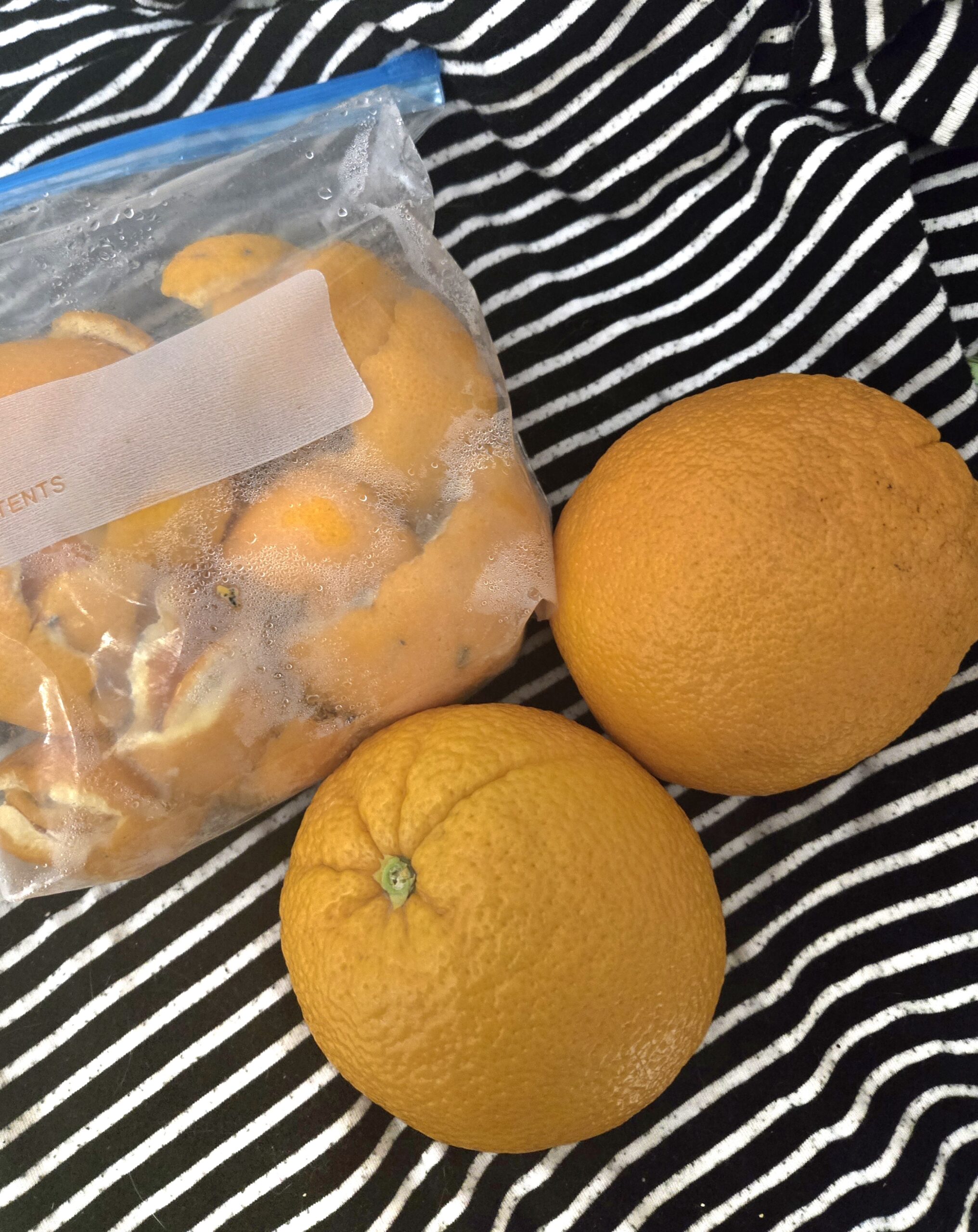
Are you an orange lover? Well, I am, and I didn’t want to simply throw any usable part away. And, that includes saving the orange peels. So, I asked myself, “What can I do with orange peels that will be environmentally conscious and fun for my students?”
Orange peels are one of those overlooked materials that can transform your classroom experience. They are inexpensive, easy to obtain, naturally aromatic, and incredibly versatile. With a little creativity, orange peels can support hands-on classroom activities, enhance sensory learning, inspire meaningful writing, and even improve your classroom environment—all without breaking school rules about sprays or strong fragrances.
So, let’s explore creative, practical, and classroom-safe ways to use orange peels to boost student engagement while creating a calm, fresh learning space. Whether you teach English, elementary, middle school, or high school, these ideas are adaptable and budget-friendly.
Why Hands-On Learning Matters More Than Ever
Before we jump in, let’s explore the reasons that hands-on activities are important. Hands-on learning is not just a buzzword—it’s a proven instructional approach that helps students connect more deeply with content. When students interact with physical materials, they engage multiple senses, making learning more memorable and meaningful.
Research consistently shows that hands-on activities:
- Improve focus and attention
- Strengthen memory retention
- Encourage creativity and critical thinking
- Support diverse learning styles
- Reduce classroom disengagement
In an era when students are overstimulated by screens and short dances, tactile experiences bring learning back to the human level. Orange peels, with their texture, scent, and visual appeal, offer a simple way to reintroduce sensory-based learning into everyday lessons.
The Power of Sensory Learning in the Classroom ✍️
Sensory learning involves engaging one or more of the five senses—sight, smell, touch, taste, and sound—to deepen understanding. For writing instruction, sensory experiences are especially powerful.
When students can touch and smell something while writing about it, they move beyond vague descriptions and into vivid, concrete language. Sensory learning:
- Helps reluctant writers get started
- Encourages descriptive vocabulary
- Improves imagery in writing
- Supports students with learning differences
- Makes abstract concepts more accessible
Orange peels naturally lend themselves to sensory exploration, making them ideal for English classrooms and cross-curricular activities.

Preparing Orange Peels for Classroom Use 🍊
Before bringing orange peels into your classroom, a little preparation goes a long way.
Collecting the Peels
You can:
- Save peels from your own oranges like I did.
- Ask families to donate clean peels
- Use peels from classroom snacks (with hygiene guidelines in place)
Cleaning
Rinse peels thoroughly to remove residue. Pat them dry with paper towels.
Drying
There are three easy methods:
- Air-drying: Lay peels flat on parchment paper for several days (My preference)
- Oven-drying: Bake at a low temperature (200°F) for 2–3 hours
- Dehydrator: If available, this is the fastest method
Dried peels last longer, smell pleasant without being overpowering, and are easier to store.
Orange Peels & Across the Curriculum Connection
Sensory Writing with the Five Senses
One of the simplest and most effective ways to use orange peels is as a sensory writing prompt.
Activity Idea:
Place a dried orange peel on each student’s desk. Ask students to observe it quietly before writing.
Have them respond to prompts such as:
- What does it smell like?
- How does it feel in your hands?
- What does it remind you of?
- What memories does it bring back?
- What emotions does it evoke?
Encourage students to write using all five senses—even taste and sound, imagined or remembered.
This activity works beautifully for:
- Descriptive paragraphs
- Warm-up writing
- Creative journaling
- Narrative introductions
Writing Descriptive Paragraphs Using Orange Peels
Many students struggle with descriptive writing because they don’t know what to describe. Orange peels provide a concrete object that removes the guesswork.

Teaching Tip:
Model descriptive language by writing a paragraph together as a class. Highlight strong verbs, sensory adjectives, and figurative language.
Students can then write their own paragraphs focusing on:
- Texture (rough, leathery, brittle)
- Color variations
- Natural imperfections
- Scent strength
- Emotional associations
This approach supports students who need structure while still encouraging creativity.
Poetry Inspired by Scent and Memory
Smell is one of the strongest triggers of memory. Orange peels can unlock powerful emotional responses, making them ideal for poetry.
Poetry Activities:
- Free verse inspired by a childhood memory
- Haiku focused on scent
- Imagery poems using sensory language
- Metaphor poems comparing the peel to emotions or experiences
Students often surprise themselves with the depth of writing that emerges when scent is involved.

Personal Narratives and Memory Writing 📚
Orange peels often remind students of:
- Holiday traditions
- Family kitchens
- Winter mornings
- Packed lunches
- Cultural foods
Invite students to write personal narratives connected to a memory sparked by the scent of orange peels. For me, oranges always reminded me of the smell of a clean kitchen at my mother’s house and those wonderful Christmas memories. No matter what the scent of oranges reminds your students of, their scent can help to create writing experiences for your students.
Improve Classroom Management
Hands-on sensory activities:
- Reduce restlessness
- Encourage calm focus
- Support self-regulation
- Create a positive emotional climate
A classroom that smells fresh and feels intentional often feels more welcoming and respectful—for both students and teachers.
Addressing Safety and Sensitivity Concerns ⚠️
Before you begin be sure to always:
- Check for citrus allergies
- Use dried peels for minimal scent
- Avoid direct skin contact if needed
- Inform families ahead of time
- Follow school guidelines
Transparency builds trust and ensures activities remain inclusive. This will also prevent you from having to deal with angry parents or potential student medical injuries due to unknown allergies.
Sustainability and Environmental Awareness 🌱
Using orange peels teaches students:
- Waste reduction
- Creative reuse
- Environmental responsibility
- Mindful consumption
These lessons extend beyond academics into life skills.
Small Materials, Big Impact 🍊✨
Orange peels may seem insignificant. And, most of us quickly discard them, but in the classroom, they can become tools for creativity, connection, and calm. By rethinking what we throw away, we model resourcefulness and innovation for our students.
So, next time you peel an orange, don’t toss it. Bring it to class—and watch learning come alive.
Videos to Watch:
Other Articles to Read: