Bringing the Outdoors Into Your Spring Lessons
Spring has a way of waking everything up—including our homeschool routines. The days grow longer, the air feels lighter, and suddenly the idea of sitting under those harsh lights with worksheets feels…boring…and, wrong…just wrong! This is the season when learning wants to breathe.
Nature-inspired homeschool decorating isn’t about buying new supplies or blowing the budget on something else frivolous. It’s about using the natural world as both your backdrop and your curriculum, creating a learning environment that reflects renewal, curiosity, and calm.
So, how do you bring nature into your homeschool classroom? One way is through its décor. Home décor that is intentional…as well as affordable can help support spring-themed learning and outdoor education at home—without overwhelming you or cluttering your space.
Why Nature-Inspired Decorating Works for Homeschooling
Long before textbooks and screens, children learned through observation—watching seasons change, animals migrate, plants grow, and weather shift. And, don’t get me started on planting and growing crops. (Hey, I’m a Mississippi county girl. I know about planting and growing. 🙋🏾♀️ )When you design your homeschool environment around natural elements, you tap into that ancient learning instinct.
Nature-based learning environments reduce stress, improve focus, and increase creativity in children. But, even without formal studies, most homeschool parents can feel it instinctively: children are calmer and more engaged when their surroundings feel open, organic, and connected to the world outside.
Nature-inspired homeschool decorating works because it:
- Encourages curiosity and observation
- Supports multiple learning styles
- Creates a calm, focused atmosphere
- Reinforces spring science, literacy, and art lessons
- Makes learning feel seasonal and alive
Instead of fighting spring restlessness, you design your space to flow with it.
Start With a Spring Reset: Clearing Space for New Growth
Before adding anything new, spring invites us to let go. Nature doesn’t pile new growth on top of decay—it clears space first.
Take time to gently reset your homeschool area. This doesn’t require a full overhaul. Even small changes can signal a seasonal shift.
Remove winter-heavy visuals like dark colors, snow imagery, or overcrowded bulletin boards. Swap them for lighter tones, open wall space, and breathing room. Rotate books to highlight nature, animals, weather, gardening, or seasonal poetry. (Be sure to check out my blog post on my favorite spring-themed books!)
Decluttering creates visual calm, which makes any nature-inspired elements you add feel intentional rather than chaotic.
Think of this reset as preparing soil before planting. The learning that follows will take root more easily.
Bringing Natural Materials Into Your Homeschool Space
One of the simplest ways to embrace nature homeschool ideas is by incorporating real, tactile materials. These items ground learning in the physical world and invite hands-on exploration.
Wood, stone, cotton, linen, and wicker all bring warmth without distraction. A wooden tray for supplies, a woven basket for books, or a stone collection from your backyard instantly transforms a shelf into a learning station.
Natural materials also age well. They don’t feel disposable or trendy, which makes them perfect for homeschool families who value sustainability and intentional living.
Children instinctively interact differently with natural objects. A basket of pinecones becomes a math manipulative, a writing prompt, and a science specimen—all without instruction.
Creating a Living Science Wall for Spring
Spring science doesn’t need to be confined to notebooks. A nature-inspired homeschool wall can evolve throughout the season, turning observation into an ongoing project.
Designate one wall or bulletin board as your Spring Discovery Wall. Instead of pre-printed posters, allow it to grow organically with your lessons.
You might include pressed flowers labeled by species, leaf rubbings, weather charts, bird sketches, or handwritten questions your children ask during outdoor walks. Add photos from nature outings or simple drawings that document changes over time.
This kind of wall becomes a visual timeline of learning. It shows children that knowledge isn’t static—it grows, just like spring itself.
Nature-Themed Reading Nooks That Invite Curiosity
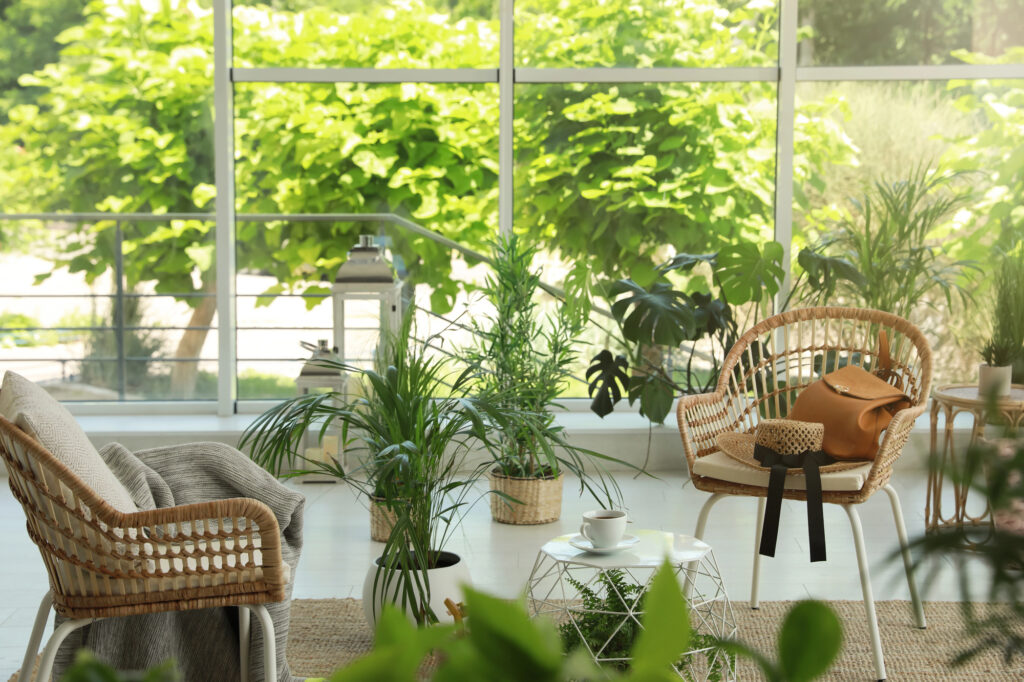
Spring is the perfect season to refresh your reading space. A nature-inspired reading nook encourages quiet reflection while still keeping students connected to the outdoors.
Use soft, neutral colors paired with botanical prints or animal illustrations. Add floor cushions, a small rug with leaf or floral motifs, and a basket of spring-themed books. Position the nook near a window if possible, allowing natural light to become part of the experience.
Books about plants, ecosystems, animals, and outdoor adventures feel more immersive when read in a space that reflects their themes. This subtle alignment strengthens comprehension and emotional connection to the material.
Reading in spring doesn’t have to stay indoors, either. Consider rotating your reading nook outside on warmer days—proof that nature-inspired decorating isn’t limited by walls.
Spring-Themed Learning Displays That Teach Without Overstimulating
Decorating for learning works best when visuals support instruction rather than overwhelm it. Nature-inspired displays are naturally calming, making them ideal for spring-themed learning.
Instead of bright borders and busy charts, choose muted greens, soft blues, and earth tones. Hand-drawn diagrams of plant life cycles, watercolor maps, or simple labeled illustrations feel more organic and less distracting.
For younger learners, visual cues like butterflies for sequencing, flowers for parts-of-speech practice, or weather icons for daily journaling keep lessons engaging without relying on cartoon imagery.
These displays quietly reinforce concepts throughout the day, turning your homeschool walls into gentle teachers.
Using Plants as Living Curriculum
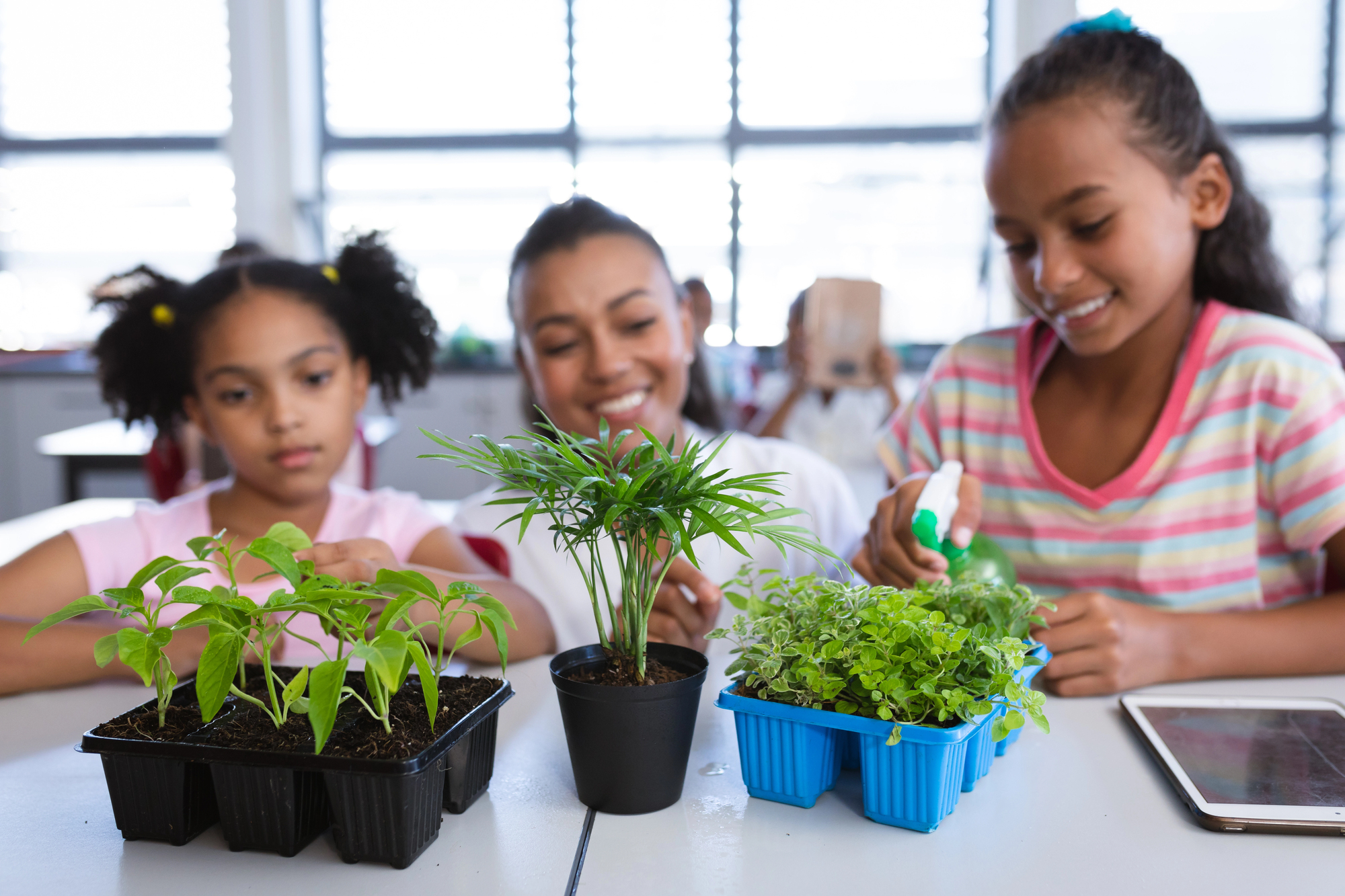
Houseplants are one of the most powerful—and underrated—tools for outdoor education at home. And, one of my favorites! They aren’t just décor. They are living science experiments.
Even a few low-maintenance plants can anchor lessons in biology, responsibility, and observation. Children can track growth, measure height, document leaf changes, and learn about sunlight and water needs.
Herbs work especially well for homeschool environments. They connect science with cooking, health, and sensory learning. (Another shameless plug: Be sure to check out my blog post on How to Teach Your Students to Cook on a Budget) Children remember lessons more deeply when they can smell, touch, and taste what they’re studying.
Plants also subtly teach patience. Growth doesn’t happen on a worksheet timeline—and that’s a lesson worth learning.
Nature-Inspired Art That Doubles as Instruction
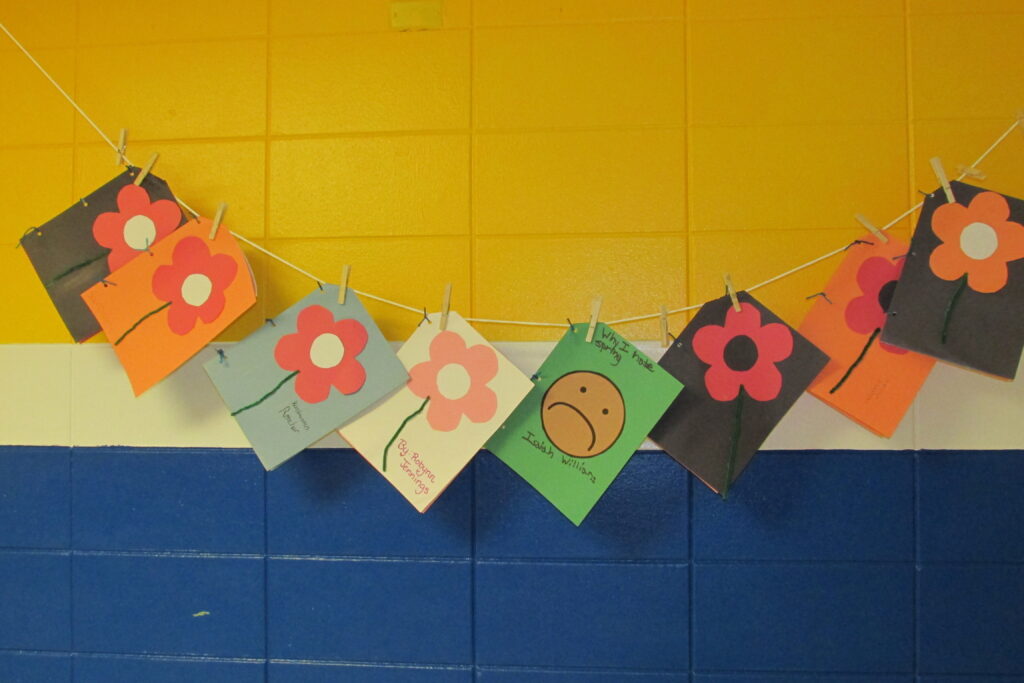
Spring art projects don’t need to be separate from academics. When displayed intentionally, student artwork becomes part of your homeschool décor and your curriculum.
Children feel pride when their work becomes part of the environment. That sense of ownership increases motivation and engagement across subjects.
Incorporating Outdoor Learning Into Your Indoor Space
Nature-inspired homeschool decorating doesn’t mean abandoning indoor learning. It means creating continuity between inside and outside.
Use maps, globes, and weather charts to connect outdoor observations to broader concepts. Display tools like magnifying glasses, binoculars, or field guides where children can easily access them.
When outdoor education at home is visibly valued, children begin to see nature as a legitimate source of knowledge—not just a recess activity.
This mindset shift is powerful. It teaches children that learning doesn’t end at the desk.
Seasonal Routines That Match Your Environment
Decorating works best when it aligns with how you use your space. Spring invites flexibility, movement, and exploration.
Pair your nature-inspired décor with routines that honor the season. Shorter indoor lessons followed by outdoor exploration feel natural when your space reflects spring energy. Morning journaling near a window, science walks after lunch, or afternoon read-alouds outside reinforce the connection.
When décor, routine, and curriculum work together, homeschool days feel less forced and more fluid.
Let Spring Teach You, Too
Nature-inspired homeschool decorating is as much about mindset as it is about materials. It reminds us that learning is seasonal, cyclical, and deeply human.
When you bring the outdoors into your spring lessons, you give children permission to slow down, notice details, and engage with the world as it is—not just as it appears on a page.
And when your homeschool classroom reflects that truth, learning flourishes naturally.
Other Articles to Read:
Videos to Watch: