Using Nature to Help Students Understand Deeper Meaning in Literature
In literature classrooms, one of the most important skills students learn is how to identify theme—the deeper meaning or life lesson behind a story. And, I you have taught middle school, then, you know how hard this skill is to teach. Middle school students may be able to summarize a plot or describe characters, but understanding the abstract ideas behind a story often feels confusing or distant.
One creative and meaningful way to help students how to grasp the concept of theme during the spring and summertime is through flower symbolism.
How can teachers use flower symbolism to teach theme in meaningful ways? What are some classroom strategies, discussion ideas, and reflective writing prompts that help students connect literature to their own lives? Let’s explore!
Flowers have long been associated with powerful meanings such as hope, love, friendship, perseverance, courage, and remembrance. Throughout history, different cultures have assigned symbolic meanings to flowers, turning them into visual representations of human emotions and life lessons.
By bringing flowers into the literature classroom, teachers can create engaging lessons that help students connect nature, symbolism, character development, and theme. Students can explore how flowers represent ideas, relate those ideas to characters in stories, and even reflect on their own personalities and life experiences.
Teaching theme through flower symbolism can encourage creativity and deeper critical thinking. Instead of memorizing definitions, students learn to see meaning in symbols, interpret ideas, and express their thoughts through writing and discussion.
Why Symbolism Helps Students Understand Theme
Symbolism allows writers to communicate deeper ideas through objects, colors, animals, or natural elements. When students learn how to recognize these symbols, they begin to see how literature conveys meaning beyond the literal storyline.
Flowers work in the same way. A flower in a story may represent:
- Love
- Beauty
- Fragility
- Growth
- Hope
- Memory
- Renewal
Using flowers as symbols can help your students visualize theme more clearly because flowers are concrete and familiar objects. And, who doesn’t love something concrete? Because your students have seen flowers in gardens, parks, or floral arrangements, they can better relate to them than some other abstract literary concepts.
A Brief Introduction to Flower Symbolism
Flower symbolism has existed for centuries. In many cultures, flowers were used to communicate emotions or messages that people might not express directly.
In the 19th century, for example, people used a system known as the “language of flowers.” Different flowers represented different ideas, and people would send bouquets to communicate feelings such as admiration, gratitude, or sympathy.
Today, many of those symbolic meanings are still widely recognized.
Some common examples include:
- Roses – love, passion, or devotion
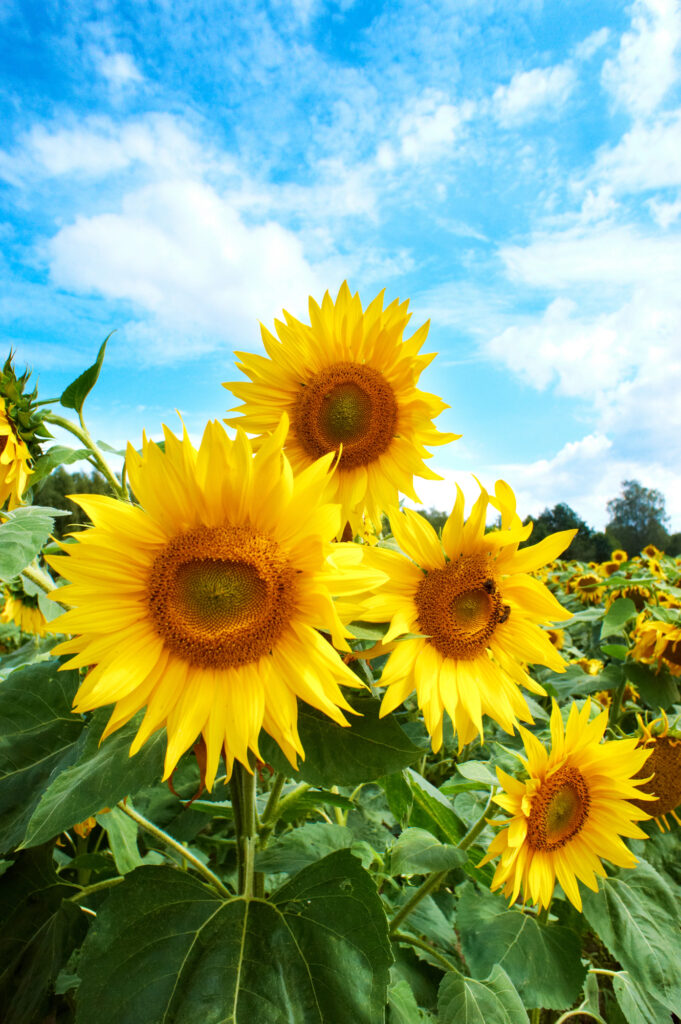
- Sunflowers – happiness, optimism, loyalty
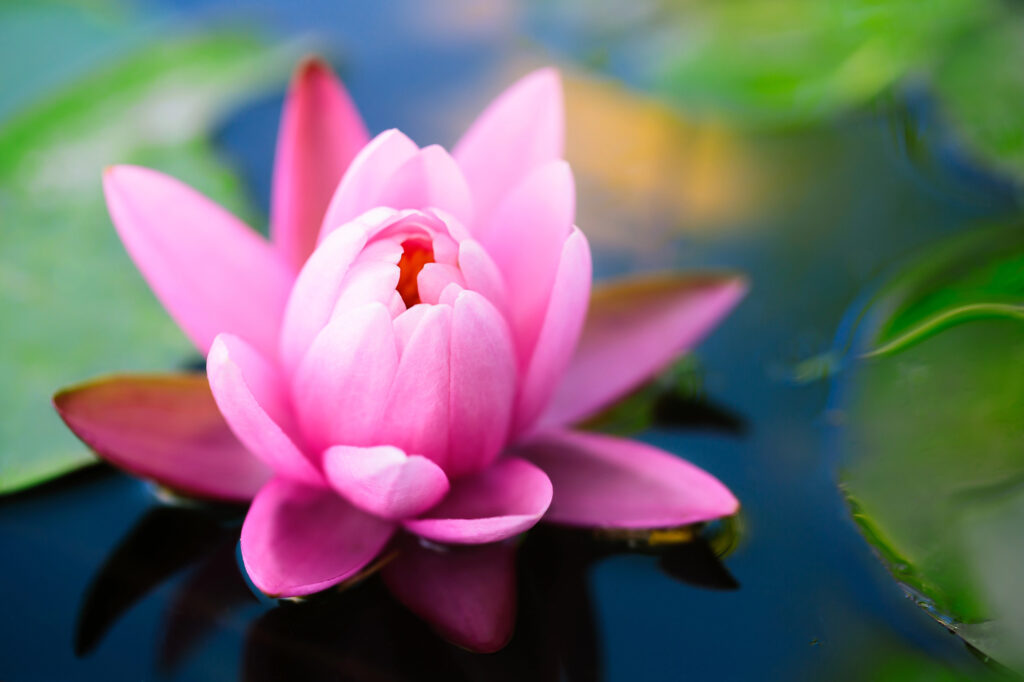
- Lotus flowers – rebirth, spiritual growth
- Daisies – innocence, new beginnings
- Lilies – purity, renewal, remembrance
- Cherry blossoms – the beauty and fragility of life
When teachers introduce flower symbolism in literature lessons, students quickly realize that symbols can carry powerful emotional meaning.
This realization helps them transition from simply reading a story to analyzing what the story represents.
Connecting Flower Symbolism to Literary Theme
Teaching theme through flower symbolism can begin with a simple question:
What ideas or life lessons might a flower represent?
For example, some of your students’ answers might be:
A sunflower might represent optimism because it always turns toward the sun.
A rose with thorns might symbolize love that includes pain or sacrifice.
A lotus flower growing from muddy water might represent overcoming adversity.
Once your students understand these symbolic meanings, you can connect them directly to literature.
Through this process, students begin to see theme not just as a sentence written on a worksheet but as a living idea represented through symbols and imagery.
Using Flower Symbolism to Introduce Theme
Flower symbolism can be introduced at the beginning of a unit to help students start thinking about themes before reading.
For example, teachers might bring pictures of different flowers into the classroom and ask students what ideas each flower represents.
Students could work in groups to discuss questions such as:
- What emotions does this flower make you think of?
- What life lesson might it represent?
- What type of character might this flower symbolize?
This activity helps students practice interpreting symbols, a skill they will use while reading literature.
Connecting Flowers to Characters
Once students begin reading a story or novel, teachers can revisit flower symbolism and ask students to connect flowers to specific characters.
For example:
- Which flower best represents the protagonist?
- Which flower represents the antagonist?
- Do different characters symbolize different ideas?
Students may discover that characters represent themes such as courage, kindness, jealousy, or resilience.
By choosing flowers to represent characters, students visualize these traits more clearly.
Reflective Writing Prompts Using Flower Symbolism
Flower symbolism also provides excellent opportunities for reflective writing.
These writing prompts encourage students to connect literature with their own experiences and personalities.
Writing Prompt 1
Which flower represents your personality and why?
Students can consider:
- Their strengths
- Their values
- Their personal challenges
For example, a student might choose a sunflower because they try to stay positive even during difficult times.
Writing Prompt 2
What flower might symbolize the theme of the novel you are reading?
Students should explain:
- The symbolic meaning of the flower
- How the flower connects to events in the story
- How the theme applies to real life
Writing Prompt 3
If you could give a flower to the main character, which flower would you choose and why?
Students might choose:
- A flower representing encouragement
- A flower symbolizing wisdom
- A flower representing healing
This prompt encourages empathy and character analysis.
Writing Prompt 4
Describe a time in your life when you had to “grow through difficulty” like a flower pushing through soil.
(Be sure to check out the poem: The Rose That Grew from Concrete by Tupac Shakur)If your life were a garden, what flowers would grow there and what would they represent?
This prompt encourages creativity and self-reflection.
Creative Classroom Activities Using Flower Symbolism
Teachers can also turn flower symbolism into engaging classroom activities.
Flower Theme Posters
Students create posters representing a theme using flowers.
Each poster might include:
- A drawing or image of the flower
- The symbolic meaning
- Quotes from the text that support the theme
- A written explanation
Character Flower Garden
Students create a “garden” representing characters from a story.
Each flower represents a different character, and students explain why that flower matches the character’s traits.
Symbolism Journals
Students keep a journal where they record symbols they notice while reading.
Entries might include:
- The symbol
- The meaning
- How it relates to the theme
Helping Students Discover Meaning in Stories
Teaching theme is often one of the most challenging parts of literature instruction.
However, when students learn to interpret symbols like flowers, they begin to recognize how stories communicate powerful ideas about life.
Flower symbolism offers a creative, memorable way to introduce these concepts. This encourages students to think deeply, analyze characters, and reflect on personal experiences.
Most importantly, it shows students that literature is not just about plots and characters. It is about understanding life, emotions, and the lessons people learn along the way.
Using flower symbolism to teach theme allows teachers to combine literature, nature, creativity, and reflection in powerful ways.
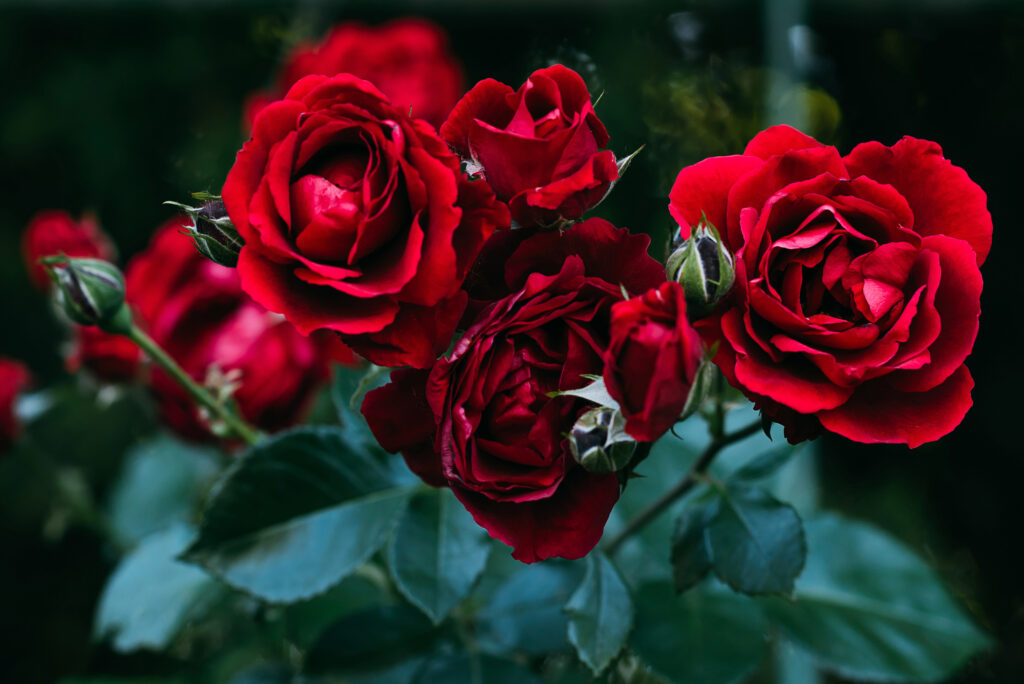
Students learn to see stories through a symbolic lens, recognizing how simple objects can represent profound ideas.
Through discussions, writing prompts, and creative projects, flower symbolism helps students explore themes such as:
- Hope
- Love
- Friendship
- Perseverance
- Renewal
When students connect these ideas to both literature and their own lives, reading becomes more meaningful and memorable. And just like flowers that bloom in a garden or on the side of a road, their understanding of literature continues to grow and bloom.
Other Articles to Read:
Videos to Watch: