A Teacher’s Guide to Real-World Learning at Your Local Grocery Store
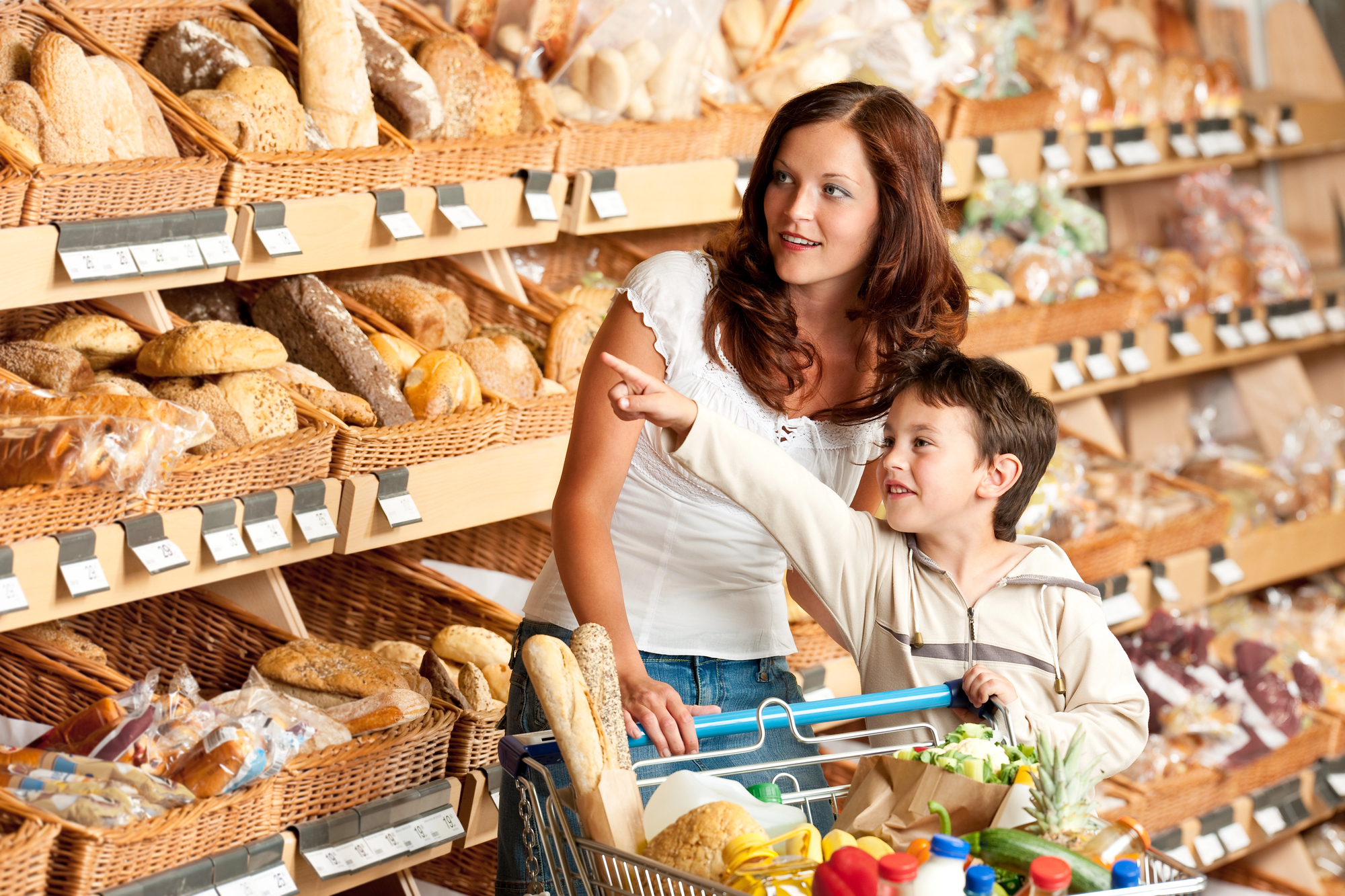
The grocery store is more than just a place to pick up essentials—it’s a treasure trove of teachable moments. Whether you teach elementary, middle, or high school students, a trip to the grocery store can provide hands-on learning experiences that reinforce classroom lessons in math, science, literacy, and even social skills. By turning everyday shopping into educational opportunities, teachers can make learning practical, engaging, and fun.
1. Math in Action: Aisles of Arithmetic
Mathematics is embedded in nearly every grocery shopping experience. Teachers can use a visit to the store—or even a simulated store activity in the classroom—to teach key math concepts.
a. Addition and Subtraction
Students can add up the cost of multiple items and subtract discounts or coupons to determine final prices. They can also explore tax calculations and tipping for real-world application.
b. Multiplication and Division
The grocery store is an excellent place to practice multiplication (e.g., “If one apple costs $0.75, how much do five apples cost?”) and division (e.g., “If a $10 bag of rice contains five pounds, how much does one pound cost?”). Advanced students can calculate bulk discounts and cost per serving.
c. Estimation and Rounding
Before checking out, students can round prices and estimate the total cost of a grocery haul, comparing their estimates to the actual total. This activity encourages mental math and number sense.
d. Unit Price Comparisons
Encourage students to compare unit prices to determine the best deal. This helps reinforce concepts of division and real-world decision-making. Discussions can include why some bulk items are more cost-effective than smaller packages.
2. Science in the Supermarket
The grocery store is an excellent place to discuss scientific concepts in a meaningful way.
a. Nutrition and Healthy Eating
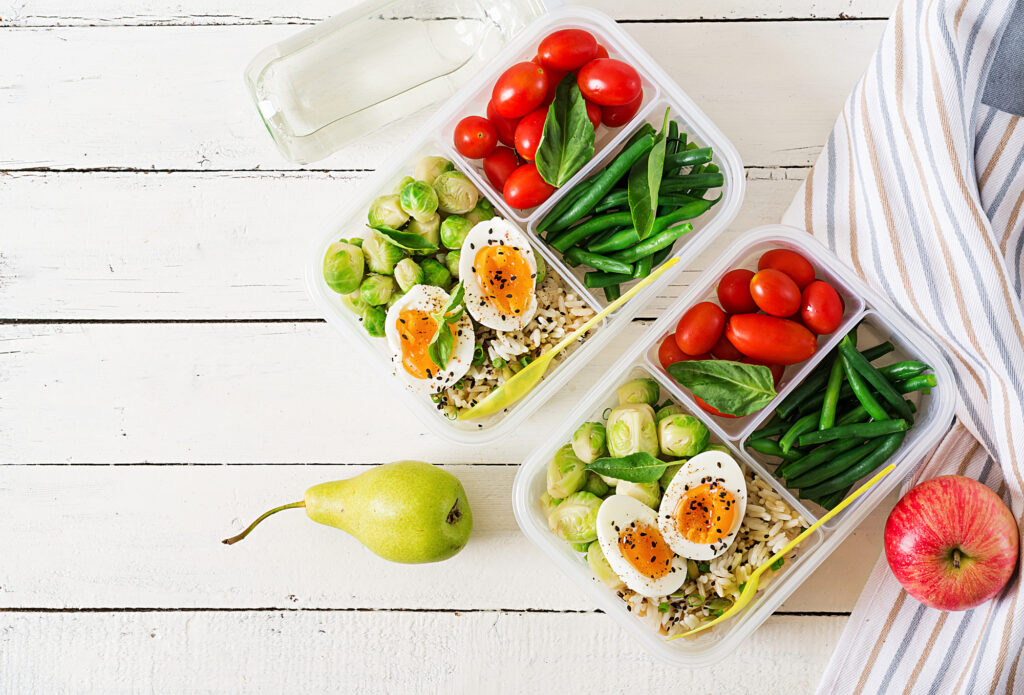
Students can examine nutrition labels, compare ingredients, and learn about food groups, portion sizes, and healthy choices. Teachers can integrate lessons on dietary needs, food allergies, and the importance of balanced meals.
b. States of Matter
Grocery stores contain solids, liquids, and gases, making them ideal for exploring states of matter. Discuss how bread dough (solid) rises due to yeast activity (gas), or how milk (liquid) can be turned into butter (solid). Students can also observe melting and freezing points in frozen food aisles.
c. Food Preservation and Chemistry
Students can explore how refrigeration and preservatives keep food fresh, and discuss chemical changes in food, such as fermentation in yogurt or oxidation in apples. They can also investigate the role of pH in food preservation.
d. Farm-to-Table Learning
Use the produce section to discuss where food comes from, how crops are grown, and the importance of sustainable farming. Introduce students to the impact of pesticides, organic farming, and locally sourced foods.
3. Literacy and Language Arts at Checkout
Language skills can be strengthened through various activities at the grocery store.
a. Reading Labels and Signs
Students can practice reading food labels, ingredient lists, and nutritional information. They can also analyze persuasive language in product advertisements. This fosters media literacy skills and awareness of food marketing strategies.
b. Writing Grocery Lists
Have students write grocery lists based on meal planning, reinforcing spelling, grammar, and organization skills. They can categorize items by food groups or store sections to build organizational thinking.
c. Comprehension Through Recipes
Students can follow a recipe, practicing sequencing, comprehension, and vocabulary skills. Teachers can have students rewrite recipes using step-by-step instructions for peer review.
d. Persuasive Writing
Encourage students to write a persuasive piece about their favorite grocery item, justifying their choice with descriptive language and facts. They can compare brands and create mock advertisements.
4. Social Studies and Cultural Connections
The grocery store reflects cultural diversity and economic principles that can be explored through various activities.
a. Economic Concepts
Teach students about supply and demand, inflation, budgeting, and how sales and promotions affect consumer behavior. Students can research price fluctuations over time and discuss economic factors influencing costs.
b. Cultural Awareness Through Food
Explore foods from different cultures and discuss their origins. This can lead to conversations about global trade, cultural traditions, and history. Students can create a food map showing the origins of common grocery items.
c. Consumer Awareness and Marketing
Discuss how brands use marketing strategies to attract buyers, including packaging, placement, and advertising. Have students evaluate a product’s marketing effectiveness and compare it to competitors.
5. Social Skills and Life Lessons
Beyond academics, the grocery store provides opportunities to develop social and life skills.
a. Money Management

Teach students how to budget, calculate change, and prioritize spending. Have them plan a meal with a set budget and shop accordingly.
b. Patience and Etiquette
Students can practice patience while waiting in line and learn polite interactions with cashiers and other shoppers. Role-playing common grocery store interactions helps reinforce social norms.
c. Problem-Solving
Have students find alternatives when an item is out of stock, teaching them flexibility and critical thinking. They can also discuss emergency shopping scenarios, such as grocery planning during natural disasters.
Bringing the Grocery Store into the Classroom
If a field trip isn’t feasible, teachers can create a grocery store simulation in the classroom. Set up price tags, play money, and shopping lists to mimic a real store experience. Online grocery shopping platforms can also be used to provide a virtual experience. Additionally, students can create advertisements, product descriptions, and grocery store layouts to enhance learning.
Conclusion: Learning Beyond the Classroom
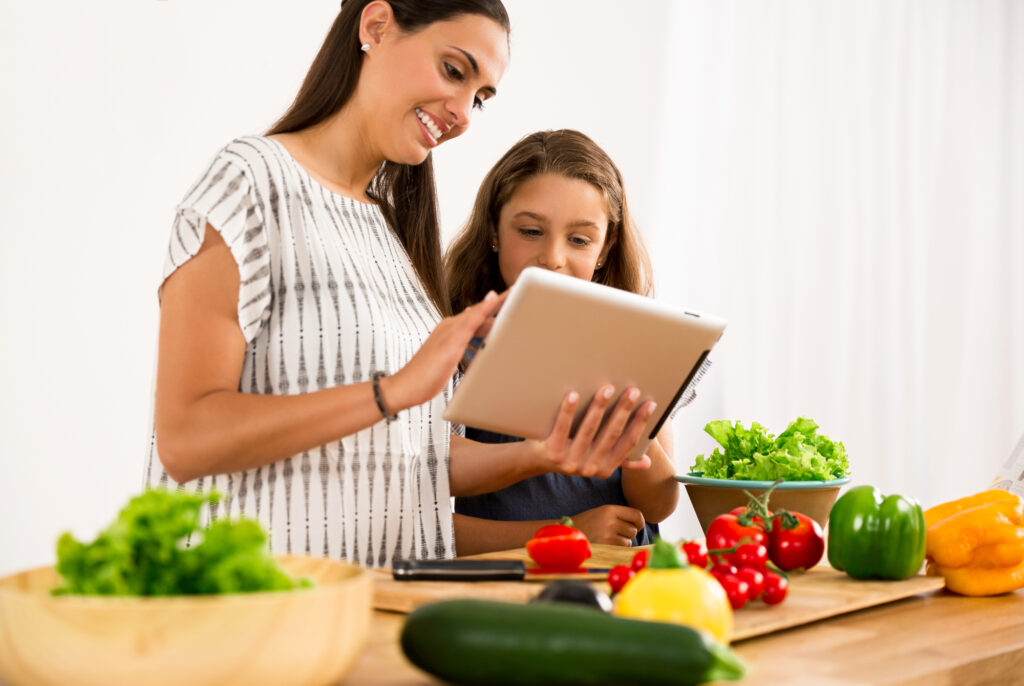
By using the grocery store as a teaching tool, educators can reinforce essential academic skills while making learning relevant to real life. The next time you step into a supermarket, consider how each aisle holds an opportunity for discovery, critical thinking, and practical application. With creativity and intentionality, the grocery store becomes a classroom rich with lessons waiting to be explored.
Other Articles to Read:
https://2cuteclassroom.blogspot.com/2021/08/teachable-moment-trip-to-veterinarian.html
Videos to watch: