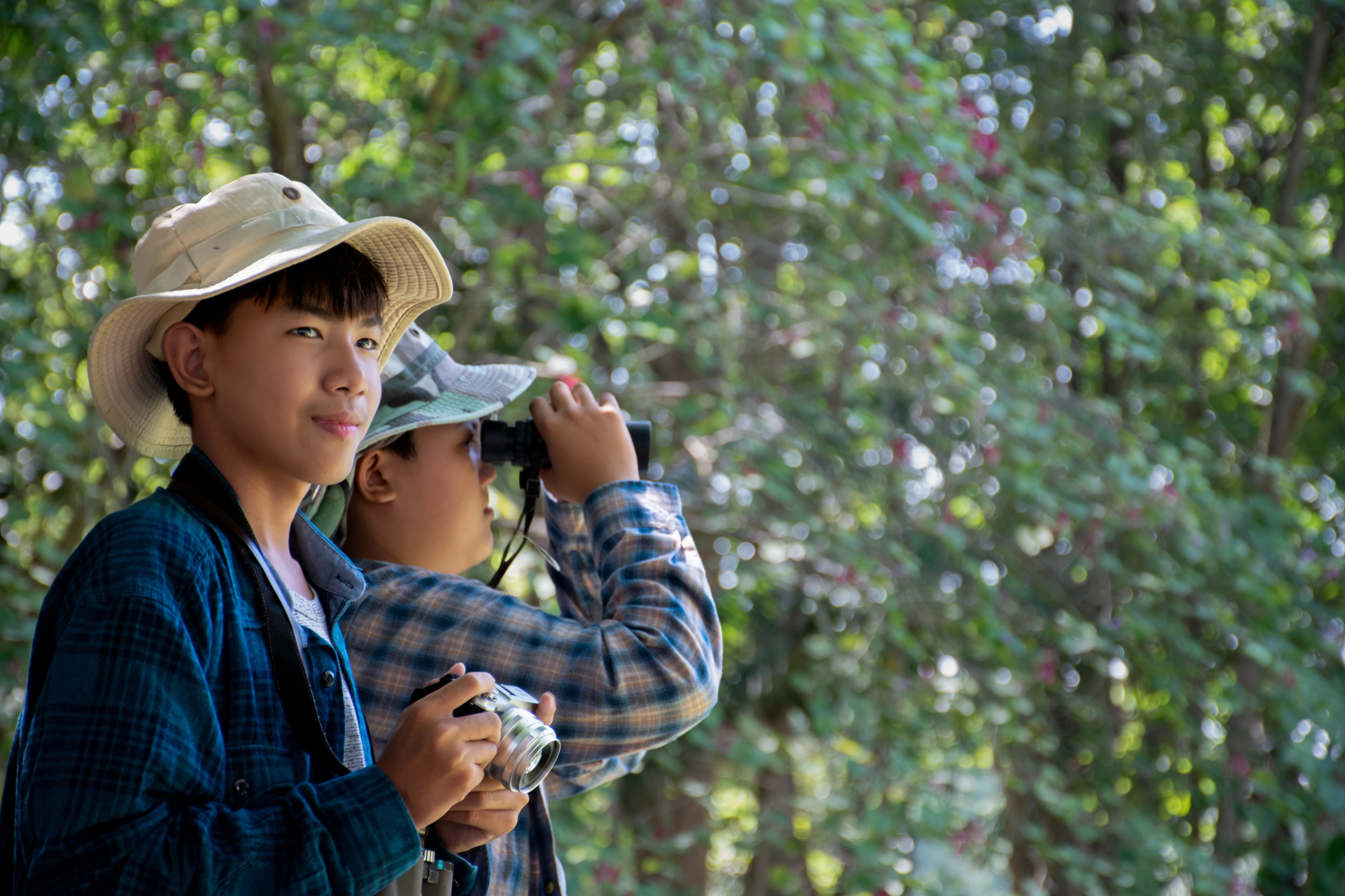
There’s something magical about learning outside. The fresh air, the sweet sunshine, birds singing, and room to move around that instantly make learning feel less like another lesson and more like an adventure. Whether you’re homeschooling, looking for summer enrichment, or simply trying to reduce screen time, your own backyard can become one of the best classrooms your child will ever have. And, if you are a teacher who decided to do summer school 🙋🏾♀️, then this is also an ideal way to keep those kiddos learning without it feeling like another boring lesson.
Children naturally learn through exploration. When they climb, build, observe, investigate, and create, they’re developing critical thinking, problem-solving, creativity, communication, and confidence—all while having fun.
The best part? Most of these activities require little to no preparation and use items you already have at home.
Here are 15 backyard learning activities that children will actually ask to do again.
1. Backyard Nature Scavenger Hunt
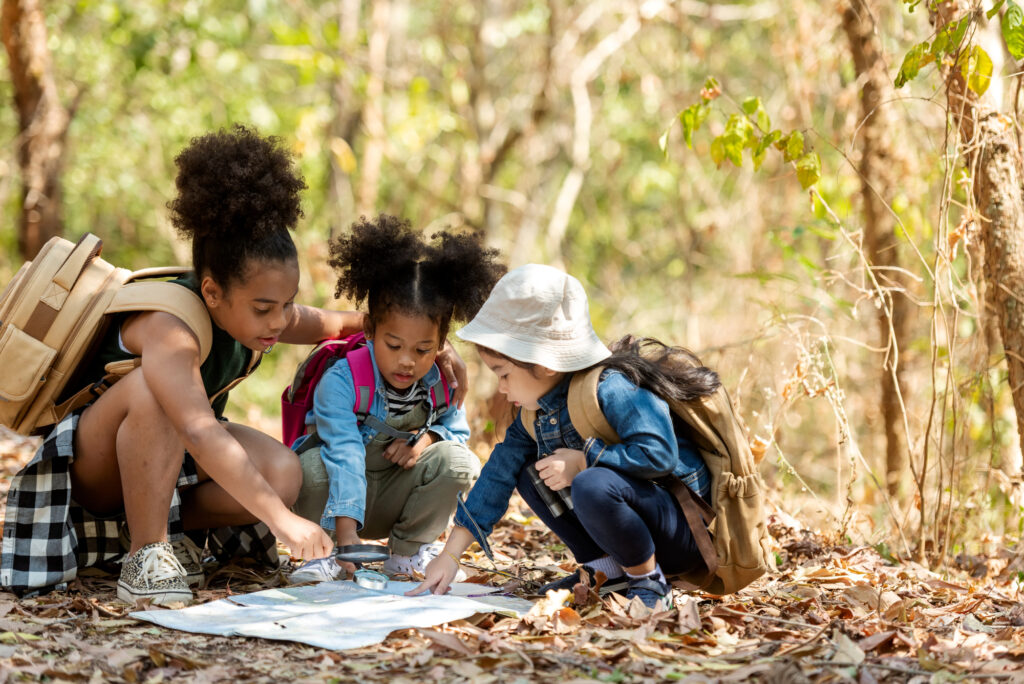
One of the easiest ways to encourage outdoor learning is through a nature scavenger hunt.
Create a simple checklist of things children can discover:
- A feather
- Three different leaves
- Something smooth
- Something rough
- A flower
- An insect
- A bird
- A pinecone
- Something yellow
- Something shaped like a heart
For older children, add scientific challenges:
- Find two producers and one consumer.
- Identify living versus nonliving things.
- Locate three examples of symmetry.
Learning Skills
- Observation
- Science
- Vocabulary
- Classification
- Critical thinking
2. Build a Backyard Obstacle Course
Transform your yard or playground into an exciting fitness course using:
- Pool noodles
- Hula hoops
- Buckets
- Jump ropes
- Sidewalk chalk
- Cones
At each station, include an academic challenge.
Examples:
- Solve a multiplication problem.
- Spell a vocabulary word.
- Name three continents.
- Recite a Bible verse.
- Identify a state capital.
Children stay active while reviewing important concepts.
3. Create a Nature Journal (one of my faves)
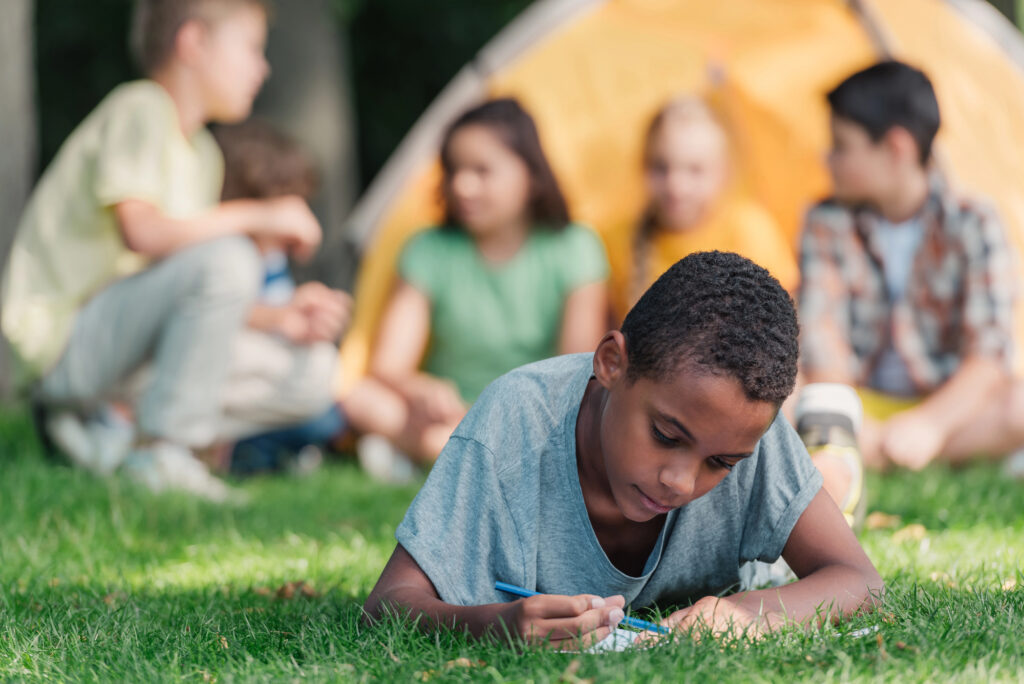
A nature journal combines science, writing, and art.
Each day, encourage children to:
- Draw something they observed.
- Record the weather.
- Write five observations.
- Sketch insects or birds.
- Press leaves into the journal.
- Predict tomorrow’s weather.
This activity develops observation skills while encouraging creativity.
4. Backyard Measurement Challenge
Grab a measuring tape and head outside.
Challenge children to measure:
- Trees
- Flower beds
- Sidewalks
- Picnic tables
- Garden rows
- Rocks
Older students can estimate before measuring.
Questions to ask:
- Which object is longest?
- Which is shortest?
- What’s the perimeter?
- What’s the area?
This makes math practical and memorable. (And, less boring especially in the summer months.)
5. Water Balloon Math
Who knew math could be this exciting?
Write math problems on index cards.
Hide them around the yard.
Each correct answer earns one water balloon throw.
You can adapt this for:
- Addition
- Multiplication
- Fractions
- Vocabulary
- Reading comprehension
- Science facts
Learning becomes a reward instead of a chore.
6. Backyard Storytelling Circle
Lay out a blanket under a tree or just sit on beach towels.
Gather a few interesting objects like:
- A pinecone
- A feather
- A toy dinosaur
- A shell
- A stick
- A flower
Each child chooses three objects and creates an original story.
Encourage them to include:
- A beginning
- A problem
- A solution
- Interesting characters
This activity builds:
- Imagination
- Public speaking
- Writing skills
- Vocabulary
- Sequencing
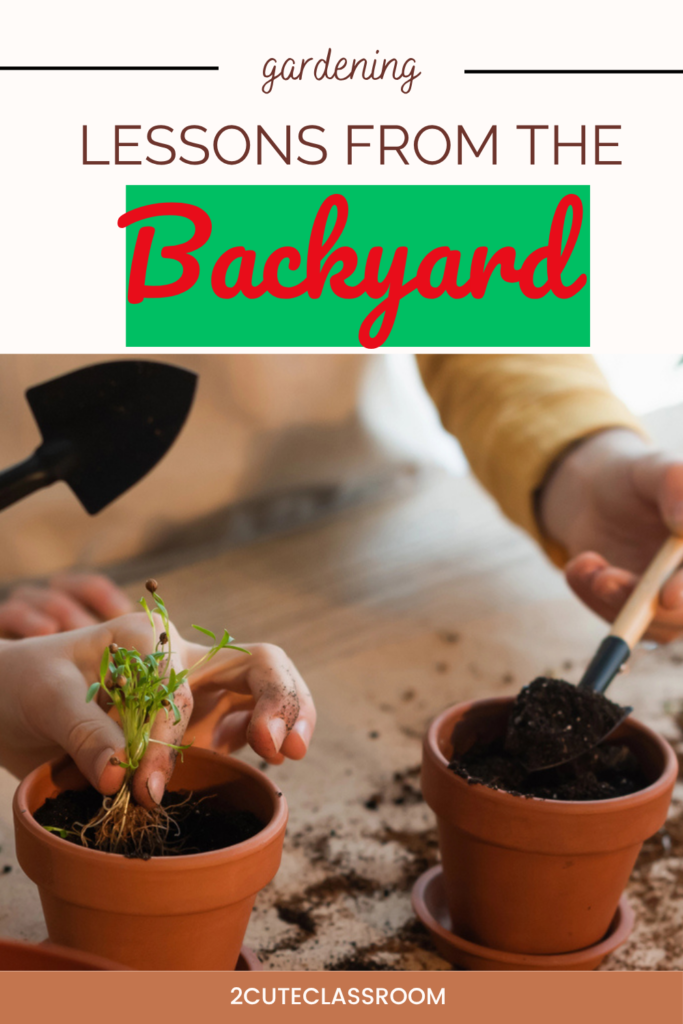
7. Create a Mini Garden
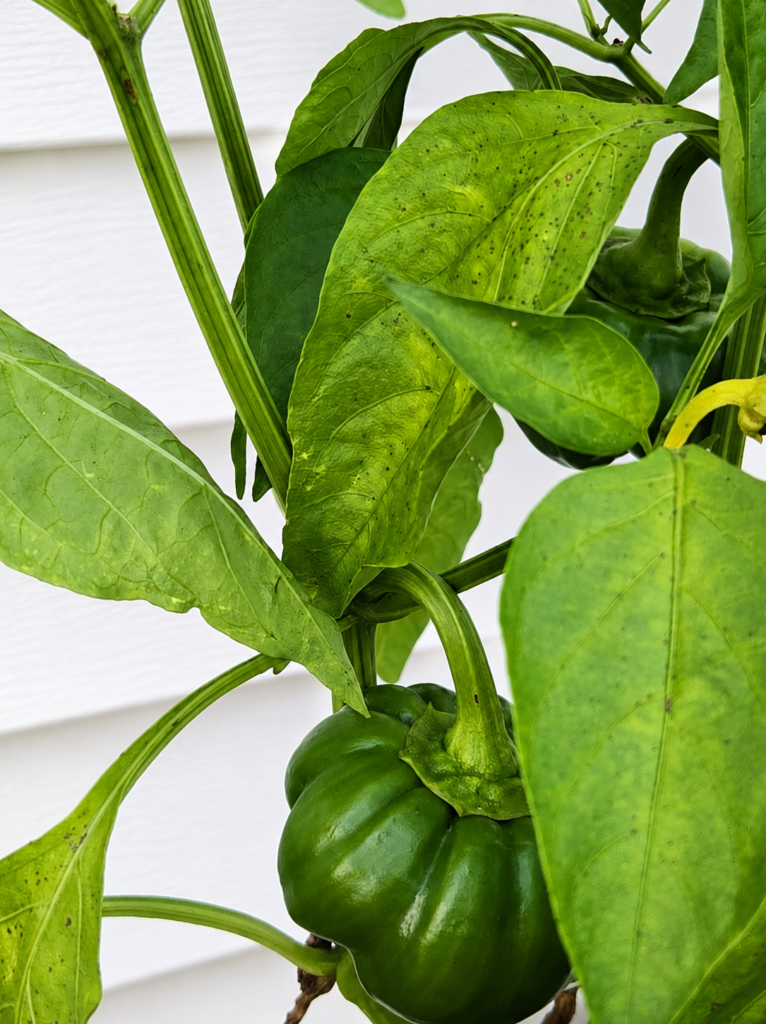
Gardening is one of the best backyard homeschool ideas because it teaches so many subjects at once.
Children learn:
- Science
- Responsibility
- Patience
- Nutrition
- Measurement
- Observation
Even one small container garden can teach valuable lessons.
Track:
- Growth
- Rainfall
- Plant height
- Bloom dates
(Be sure to check out my article on gardening)
8. Backyard Alphabet Adventure
Perfect for younger learners.
Hide foam letters or alphabet cards throughout the yard.
Children race to:
- Find letters
- Spell their names
- Build sight words
- Match uppercase and lowercase letters
- Put the alphabet in order
Learning becomes an exciting treasure hunt.
9. Outdoor Art Studio
Take creativity outside.
Use:
- Watercolors
- Sidewalk chalk
- Paintbrushes
- Leaves
- Flowers
- Twigs
- Rocks
Challenge children to create:
- Nature mandalas
- Landscapes
- Self-portraits
- Animal drawings
- Leaf rubbings
Art strengthens creativity while improving fine motor skills.
10. Backyard Science Lab
Science doesn’t require expensive equipment.
Try simple experiments like:
Which object melts fastest?
Compare:
- Ice
- Chocolate
- Butter
- Frozen fruit
Sink or Float
Gather household objects.
Predict which ones will float.
Test each prediction.
Discuss why.
Shadow Investigation
Observe shadows every hour.
Notice:
- Length
- Direction
- Changes throughout the day
These simple experiments encourage curiosity and scientific thinking.
11. Outdoor Reading Picnic
Reading outside often feels more relaxing than reading indoors.
Pack:
- Blankets
- Pillows
- Snacks
- Favorite books
After reading, ask:
- Who was your favorite character?
- What surprised you?
- What would you change?
- Predict what happens next.
This strengthens comprehension while creating positive reading memories.
12. Backyard Geography Adventure
Use sidewalk chalk to create:
- A giant map
- A compass rose
- Continents
- States
Play games like:
“Hop to Texas.”
“Stand on Africa.”
“Point north.”
Children remember geography better when they’re physically moving.
13. DIY Backyard Olympics
Create friendly competitions such as:
- Sack races
- Relay races
- Bean bag toss
- Frisbee challenges
- Jump rope contests
Add educational twists.
Before each event, answer:
- A history question
- A science question
- A spelling word
- A multiplication fact
Children stay engaged because the learning is mixed with movement.
14. Backyard Bird Watching

Hang a bird feeder or simply sit quietly.
Observe:
- Bird colors
- Beak shapes
- Songs
- Behaviors
- Flight patterns
Record observations in a notebook.
Research each bird later.
This encourages:
- Scientific observation
- Patience
- Research skills
- Vocabulary
15. Backyard STEM Building Challenge
Gather recyclable materials like:
- Cardboard
- Plastic cups
- Popsicle sticks
- Tape
- String
- Toilet paper rolls
Challenge children to build:
- A bridge
- A tower
- A birdhouse
- A marble run
- A tiny shelter
Then ask:
- What worked?
- What failed?
- How could you improve it?
This develops engineering and problem-solving skills while encouraging creativity.
And, you can even consider discussing upscaling items.
Tips for Making Outdoor Learning Successful
The goal isn’t perfection—it’s exploration.
Here are a few ways to make outdoor learning more enjoyable:
Keep Lessons Short
Twenty to thirty minutes is often enough.
Stop while children are still excited.
Dress for the Weather
Comfortable clothes, sunscreen, hats, bug spray, and water bottles make outdoor learning much more enjoyable. Trust me. These make all the difference to a kid (or teacher) who gets hot easily and mosquitoes seem to love.
Let Children Lead
Sometimes they’ll discover something more interesting than your original lesson. Follow their curiosity. Those unexpected moments often become the best learning experiences.
Keep Supplies Handy
Create an outdoor learning basket with:
- Magnifying glass
- Clipboard
- Notebook
- Colored pencils
- Measuring tape
- Binoculars
- Bug container
- Chalk
Everything stays ready for spontaneous adventures.
Why Outdoor Learning Works
Children benefit from spending time outside. Fresh air, movement, and hands-on exploration improve focus, increase creativity, reduce stress, and make learning more memorable.
Outdoor lessons also allow children to learn at their own pace. Instead of sitting quietly for long periods, they can move, explore, ask questions, and discover concepts through real-life experiences.
The beauty of these 15 backyard learning activities is that they don’t require expensive materials or elaborate planning. A simple backyard can become a place where science comes alive, math becomes meaningful, reading feels like an adventure, and creativity flourishes.
Videos to Watch:
Other Articles to read:
https://2cuteclassroom.blogspot.com/2026/07/using-summer-gardens-as-teachable.html