An Engaging and Visual Approach to Spark Student Imagination
Warmer weather is here, and the flowers are in full bloom. So, now is the time to take advantage of one of nature’s greatest gifts….flowers. You can use flowers to help teach your students creative writing.
Creative writing can sometimes feel intimidating for students (And, their teachers). Many learners stare at a blank page unsure of where to begin, especially in middle school and high school English classrooms. As teachers, we often search for creative ways to spark our students’ imagination and help them connect emotionally with their writing. Flower photography offers a way for us to connect nature with creative writing.
Why would flowers make one of the best props for creative writing?
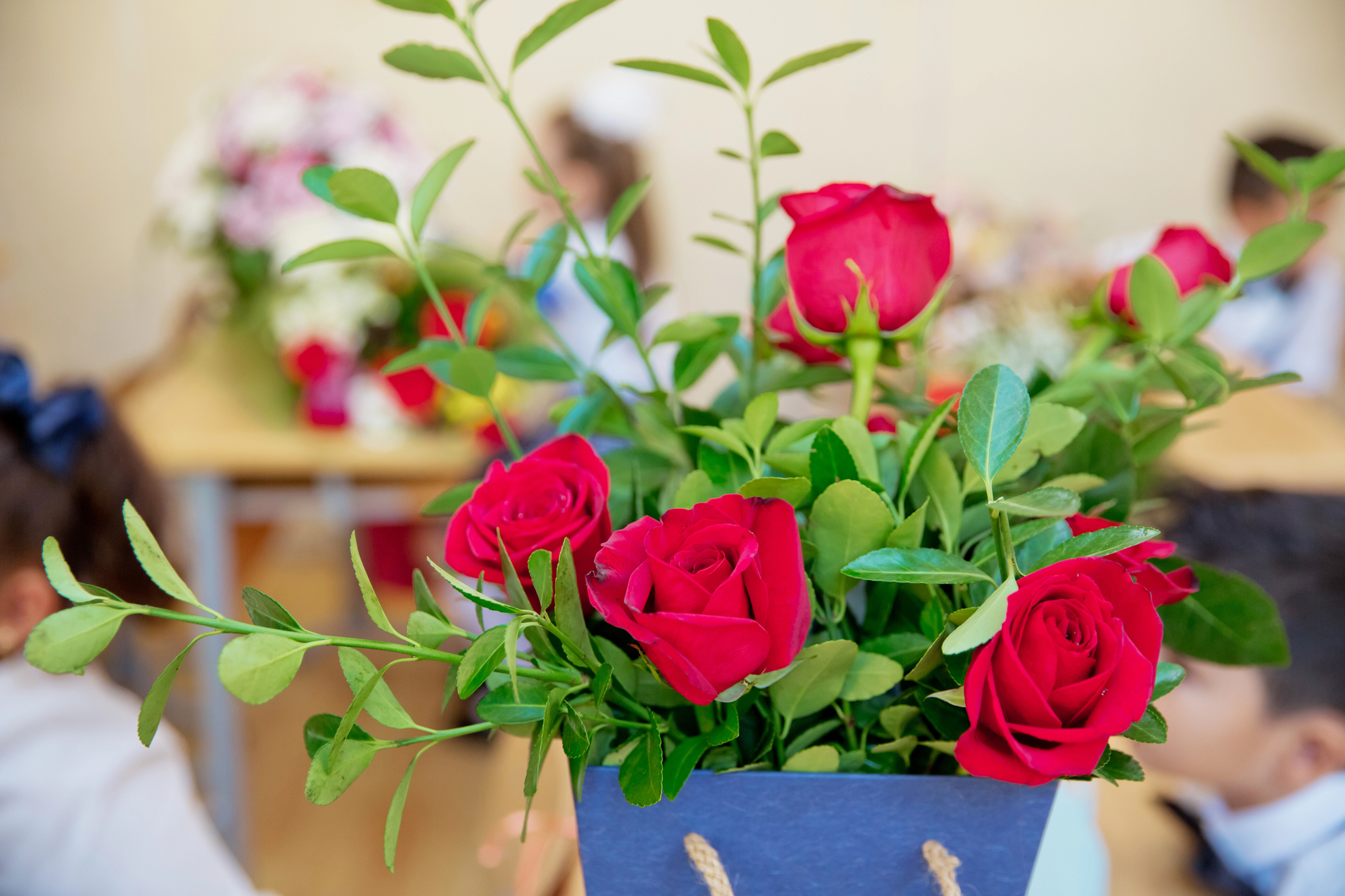
Flowers are visually captivating, rich in symbolism, and naturally tied to human emotions and experiences. When students observe close-up images of flowers—whether a beautiful rose, a bright sunflower, or a mysterious night-blooming flower—they begin to notice colors, shapes, textures, and moods that can easily translate into vivid storytelling.
Using flower photography in the classroom allows teachers to combine visual learning, descriptive writing, poetry, symbolism, and storytelling into one engaging activity. Even students who struggle with writing often feel more comfortable when they have an image to guide their imagination.
Why Flower Photography Works as a Writing Prompt
Students respond strongly to visual stimuli. A photograph provides a starting point for imagination and removes the pressure of inventing an idea from scratch.
Flower photography is particularly powerful because flowers naturally evoke emotions, memories, and symbolism.
For example:
- A wilted flower may represent sadness, loss, or endings.
- A bright blooming sunflower may symbolize hope or resilience.
- A field of wildflowers might suggest freedom, adventure, or childhood memories.
When students observe flower images closely, they begin to ask questions:
- Where did this flower grow?
- What season is it?
- Why does it look strong or fragile?
These questions naturally lead to storytelling. Flower photography also appeals to multiple learning styles:
- Visual learners enjoy observing details in images.
- Creative thinkers build stories around the image.
- Reflective learners connect the imagery to personal experiences.
Because flowers are familiar yet complex, they offer a perfect balance between accessibility and depth.
Building Observation Skills Through Flower Photography
Before students begin writing, teachers can encourage them to become careful observers. The power of observation is an important skill for any writer. The more details your students can notice, the richer their writing can become.
Start by displaying a high-quality flower photograph on a screen or distributing printed images. Then, give them a few minutes to study the image carefully.
Ask them questions that will help them to focus on small details such as:
- Color variations in the petals
- The texture of the stem or leaves
- The lighting in the photograph
- The background environment
- The overall mood of the image
Have your students to record their observations in a notebook or writing journal. This exercise helps students practice descriptive language, a critical skill in creative writing.
Using the Five Senses to Expand Descriptive Writing
Flower photography also provides an opportunity for sensory writing exercises.
You can ask your students to write descriptions using the five senses:
Sight:
What colors do you notice? Is the flower bright, pale, or dark?
Smell:
Does the flower have a sweet fragrance or an earthy scent?
Touch:
Would the petals feel soft, velvety, smooth, or fragile?
Sound:
What sounds might surround the flower? Bees buzzing? Wind moving through leaves?
Taste:
Could the flower remind you of a flavor like honey, citrus, or herbs?
By imagining sensory details, students practice creating immersive descriptions.
This strategy is especially helpful for reluctant writers because it gives them a clear structure to follow.
Turning Flower Images into Story Starters
Flower photographs can also act as powerful story prompts.
Instead of simply describing the flower, students can imagine the story behind it.
You might ask questions like:
- Who planted this flower?
- Why is it growing in this place?
- What important event happened near this flower?
- Who might discover it someday?
For example, a photograph of a single flower growing through a crack in concrete could inspire a story about resilience or survival. (This is a good time to read, discuss, and analyze “The Rose that Grew From Concrete” by Tupac Shakur.)
https://allpoetry.com/The-Rose-That-Grew-From-Concrete
A picture of flowers growing near an abandoned house might inspire a mystery story. Help your students to understand that even simple images can contain countless story possibilities.
Exploring Symbolism Through Flowers
Flowers have long been used as symbols in literature and poetry.
Many cultures associate flowers with emotions or ideas:
- Roses often symbolize love or passion.
- Sunflowers represent positivity or loyalty.
- Lotus flowers symbolize rebirth or spiritual growth.
- Daisies often represent innocence or new beginnings.
You can introduce your students to these symbolic meanings and then ask them to connect flower symbolism to literature.
For example, students might explore questions such as:
- Which flower represents the main character in a novel?
- Which flower symbolizes the theme of perseverance?
- If the antagonist were a flower, what would it be and why?
This activity helps students analyze theme and character development in creative ways. It also encourages deeper thinking about symbolism in literature.
Flower Photography Poetry Activity
Poetry pairs beautifully with flower imagery. You can have your students to write short poems inspired by flower photographs.
Possible poetry styles include:
- Free verse
- Haiku
- Cinquain
- Acrostic poems
Because flowers naturally evoke emotions and imagery, poetry often flows easily during this activity. This can be especially effective during spring units or nature-themed lessons.
Collaborative Story Garden Activity
One fun extension of flower photography is creating a classroom “story garden.” In this collaborative project, each student selects a flower photograph and writes a short piece of creative writing inspired by it.
Their flower might represent:
- A character
- A setting
- An event
- A conflict
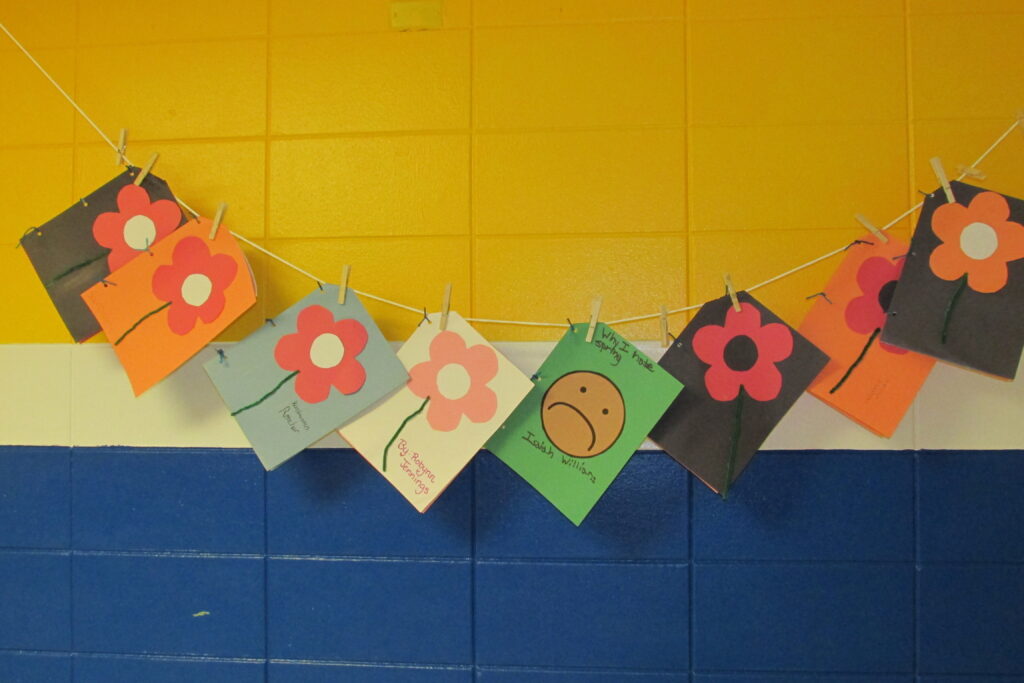
As students share their writing, the you can combine all the pieces into a single collaborative story. The classroom wall can even become a visual “garden” where students display their flower photos alongside their writing.
This activity encourages:
- Creativity
- Collaboration
- Narrative writing skills
- Classroom community
Students love seeing how their individual ideas grow into a larger shared story.
Digital Flower Photography Projects
Technology has become an integral part of our everyday lives, and our students are especially familiar with all of the newest technology. So, why not use that to your advantage?
Students can take their own flower photographs using phones, tablets, or cameras.
Encourage them to photograph flowers in:
- School gardens
- Neighborhood yards
- Parks
- Roadside wildflower patches
After taking their photos, students can write stories, poems, or descriptive paragraphs inspired by their images.
This project combines:
- Photography
- Creative writing
- Observation skills
- Outdoor exploration
Students often feel a greater connection to their writing when they create the image themselves.
Cross-Curricular Learning Opportunities
Flower photography activities can connect with other subjects as well.
Science connections
Students can research the flower species they photographed and include facts about:
- Pollination
- Plant life cycles
- Environmental conditions
Art connections
Students can sketch the flower before writing about it. They can even use the photographs that they took and display them as art pieces.
Social studies connections
You might even explore cultural meanings of flowers in different societies. For example, certain flowers are associated with festivals, memorials, or national traditions.
Helping Reluctant Writers Feel More Confident
One of the biggest benefits of using flower photography is that it reduces writing anxiety. Students who struggle with writing often feel overwhelmed by open-ended assignments. An image gives them something concrete to focus on.
Instead of thinking:
“What should I write about?”
Students can begin by simply describing what they see. From there, imagination naturally expands.
Using Flower Photography for Seasonal Writing Activities
Flower photography is particularly effective during spring and early summer lessons when flowers are naturally blooming.
You can incorporate seasonal writing assignments such as:
- Spring poetry journals
- Nature observation writing (This is great after those classroom nature walks or a trip to a botanical garden)
- Personal narratives about outdoor memories
Students may even create spring-themed writing portfolios filled with flower-inspired stories, poems, and reflections.
These activities help students connect writing with real-life seasonal experiences.
The Lasting Impact of Visual Writing Prompts

Creative writing activities that include visual elements often leave lasting impressions on students.
Flower photography encourages students to slow down, observe the world around them, and express their thoughts creatively.
It teaches them that inspiration can come from simple things—like a flower growing quietly in the corner of a garden.
More importantly, it helps students see writing not as a chore, but as an opportunity to explore imagination, emotions, and storytelling.
Final Thoughts
Using flower photography to inspire creative writing is a simple yet powerful strategy for English classrooms. By combining visual imagery, descriptive language, symbolism, and storytelling, you can help your students develop stronger writing skills while nurturing creativity.
In the end, students may discover that the smallest things—like a single blooming flower—can inspire some of the most beautiful writing.
Other Articles to Read:

https://2cuteclassroom.blogspot.com/2026/03/increase-your-students-writing-skills.html
https://2cuteclassroom.blogspot.com/2026/03/teaching-narrative-writing-through-life.html
Videos to Watch: