Creative Cooking Activities That Build Reading, Math & Life Skills for Kids
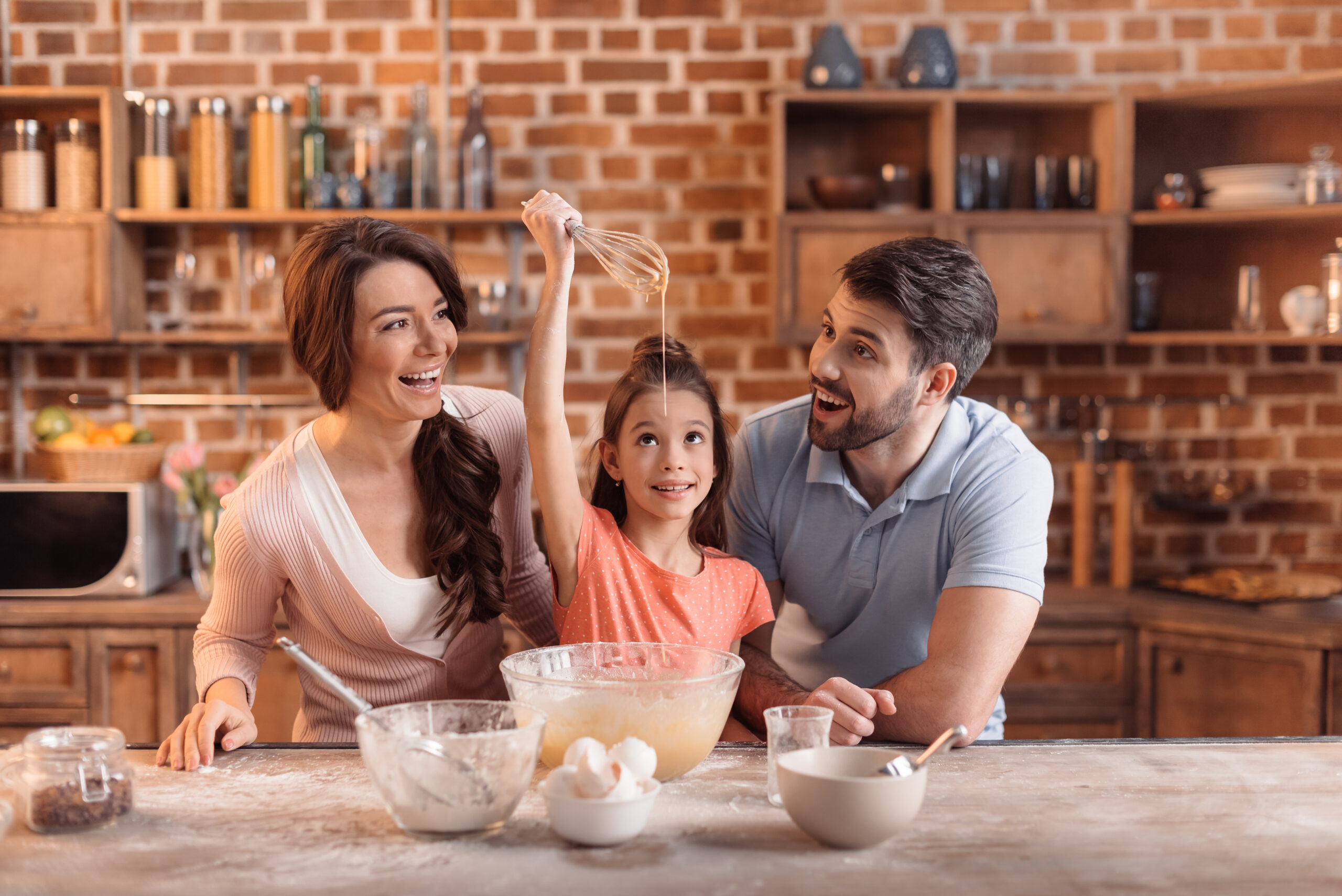
Do you want to cook up some magic? Then, invite your kiddos into the kitchen. What begins as a simple task—preparing a meal—quickly transforms into a rich, hands-on learning experience filled with laughter, curiosity, and connection.
Cooking with your kids isn’t just about food; it’s about life skills, confidence-building, and—best of all—sneaking in meaningful educational moments without them even realizing they’re “learning”.
If you’re a homeschool parent or simply a mom looking to make everyday moments more meaningful, the kitchen can become your most powerful teaching tool. From reading recipes to measuring ingredients, from exploring cultural dishes to capturing the beauty of a finished meal through photography, every step is an opportunity to teach. It’s a teachable moment!
Why Cooking Is the Ultimate Learning Lab
Cooking naturally engages multiple senses—sight, smell, touch, taste, and sound. It encourages problem-solving, patience, creativity, and teamwork. It also gives children a sense of responsibility and accomplishment. When kids see that their actions produce something real and enjoyable, their confidence grows.
And the best part? Learning happens organically…deliciously.
No worksheets. No pressure. Just real-life application.
Reading Skills: Following Directions with Purpose
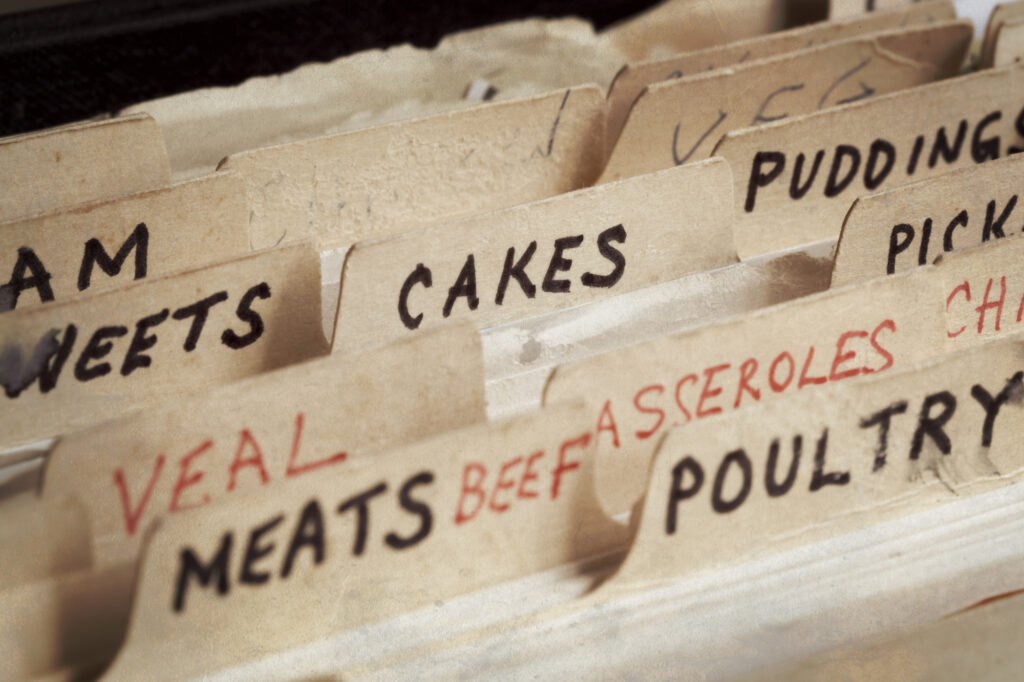
One of the easiest ways to incorporate reading into cooking is through recipes. Recipes are functional texts, which means they serve a purpose—and that alone can motivate reluctant readers.
What Kids Learn:
- Vocabulary (ingredients and cooking terms)
- Sequencing (first, next, then, finally)
- Comprehension (understanding instructions)
- Skimming and scanning for information
How to Teach It:
Have your child read the recipe out loud before you begin. Ask questions like:
- “What do we do first?”
- “What ingredients do we need?”
- “What does ‘preheat’ mean?”
You can also assign roles:
- One child reads the recipe
- Another child gathers ingredients
- Another child measures
This creates a collaborative learning environment while reinforcing reading skills. (Of course, if you only have one child, then you can assign the above task to that one child or you can do some of them yourself.)
Literature Connections: Bringing Stories to Life
Cooking is a beautiful way to connect literature to real life. Imagine reading a story and then making a dish inspired by the story or planning a meal inspired by the country in which the story was written. Suddenly, the story becomes tangible.
Ideas to Try:
- After reading a book set in a different country, cook a traditional dish from that region.
- Create a “storybook kitchen day” where meals are inspired by favorite characters.
What Kids Learn:
- Story comprehension
- Cultural awareness
- Making connections between text and real life
This approach is especially powerful for elementary and middle school children who thrive on imagination and storytelling.
Grammar in the Kitchen: Language in Action
Grammar might not be the first thing that comes to mind when cooking, but it’s everywhere in the kitchen.
What Kids Learn:
- Parts of speech (verbs, nouns, adjectives)
- Sentence structure
- Following written instructions
How to Teach It:
Use the recipe as your grammar guide:
- Verbs: mix, stir, pour, bake
- Nouns: flour, bowl, oven
- Adjectives: hot, sweet, soft
Ask your child to identify action words or describe the food using descriptive language. You can even have them write their own recipe after cooking—this reinforces grammar, sequencing, and writing skills all at once.
Math Skills: Measuring, Fractions, and Real-Life Problem Solving
Cooking is one of the best real-world applications of math. From measuring ingredients to adjusting serving sizes, math becomes meaningful and necessary.
What Kids Learn:
- Fractions (½ cup, ¼ teaspoon)
- Measurement conversions
- Addition and subtraction
- Ratios and proportions
Teachable Moments:
- “We need 1 cup, but only have a ½ cup—what do we do?”
- “If we double the recipe, how much flour do we need?”
- “How many cookies can we make from this batch?”
Let your child handle the measuring cups and spoons. Even if it gets messy, the learning is worth it.
Science in the Kitchen: Experiments You Can Eat
The kitchen is essentially a science lab. Every recipe is a chemical reaction waiting to happen.
What Kids Learn:
- States of matter (solid, liquid, gas)
- Chemical reactions (baking soda and vinegar)
- Heat transfer
- Changes in texture and form
Examples:
- Watching dough rise teaches your kiddos about yeast and fermentation.
- Melting butter shows changes in states of matter.
- Baking a cake demonstrates how ingredients react under heat.
Ask questions like:
- “What do you think will happen when we put this in the oven?”
- “Why do you think the dough is rising?”
Encourage curiosity and experimentation.
Social Studies: Exploring the World Through Food
Food is deeply connected to culture, history, and geography. Cooking meals from different regions opens the door to meaningful social studies lessons.
What Kids Learn:
- Cultural traditions
- Geography (where foods come from)
- History of certain dishes
- Appreciation for diversity
Ideas:
- Choose a country each week and cook a traditional meal.
- Talk about where ingredients come from.
- Discuss how climate and geography influence food.
For example, making a dish from Italy can lead to discussions about Mediterranean climate, farming, and traditions.
Art & Photography: Creativity on a Plate
Cooking isn’t just about taste—it’s also about presentation. This is where art and photography come into play. Think about cooking shows such as Worse Cooks in America or Chopped. These shows not only deal with cooking the food, but they also focus on the presentation of the food.
What Kids Learn:
- Creativity and design
- Color combinations
- Composition and visual storytelling
Activities:
- Let kids decorate cookies or cupcakes.
- Have them plate the food creatively.
- Take photos of the finished dish.
You can even turn it into a mini photography lesson:
- Teach them about lighting (natural light works best)
- Show them how to frame a shot
- Let them experiment with angles
This is especially fun for older kids and can even turn into a digital portfolio or social media project.
Life Skills That Go Beyond the Curriculum
While academic subjects are important, cooking also teaches essential life skills that children will carry into adulthood.
Skills Developed:
- Responsibility
- Time management
- Teamwork
- Patience
- Independence
- Meal preparation
When kids learn how to cook, they gain confidence in their ability to take care of themselves and contribute to the family.
Making It Fun (and Not Stressful)
Let’s be honest—cooking with kids can get messy. Flour on the floor, spills on the counter, and maybe even a few burned cookies along the way. But the goal isn’t perfection—it’s connection and learning.
Tips for Success:
- Start simple (no complicated recipes at first)
- Assign age-appropriate tasks
- Embrace the mess
- Focus on the process, not just the result
Remember, the memories you’re creating are just as important as the lessons you’re teaching.
Turning Cooking Into a Weekly Learning Routine
If you want to make the most of these teachable moments, consider setting aside a regular “kitchen learning day.”
Sample Weekly Plan:
- Monday: Choose a recipe and read it together
- Tuesday: Learn about the culture or origin of the dish
- Wednesday: Cook the meal
- Thursday: Write about the experience
- Friday: Take photos and reflect
This creates structure while keeping learning engaging and hands-on.
Encouraging a Love for Learning Through Everyday Moments
The beauty of teaching through cooking is that it doesn’t feel like teaching. It feels like spending time together, creating something meaningful, and enjoying the results. Cooking—another teachable moment!
Other Articles to Read:

https://2cuteclassroom.blogspot.com/2021/08/teachable-moment-trip-to-veterinarian.html