Blog Posts

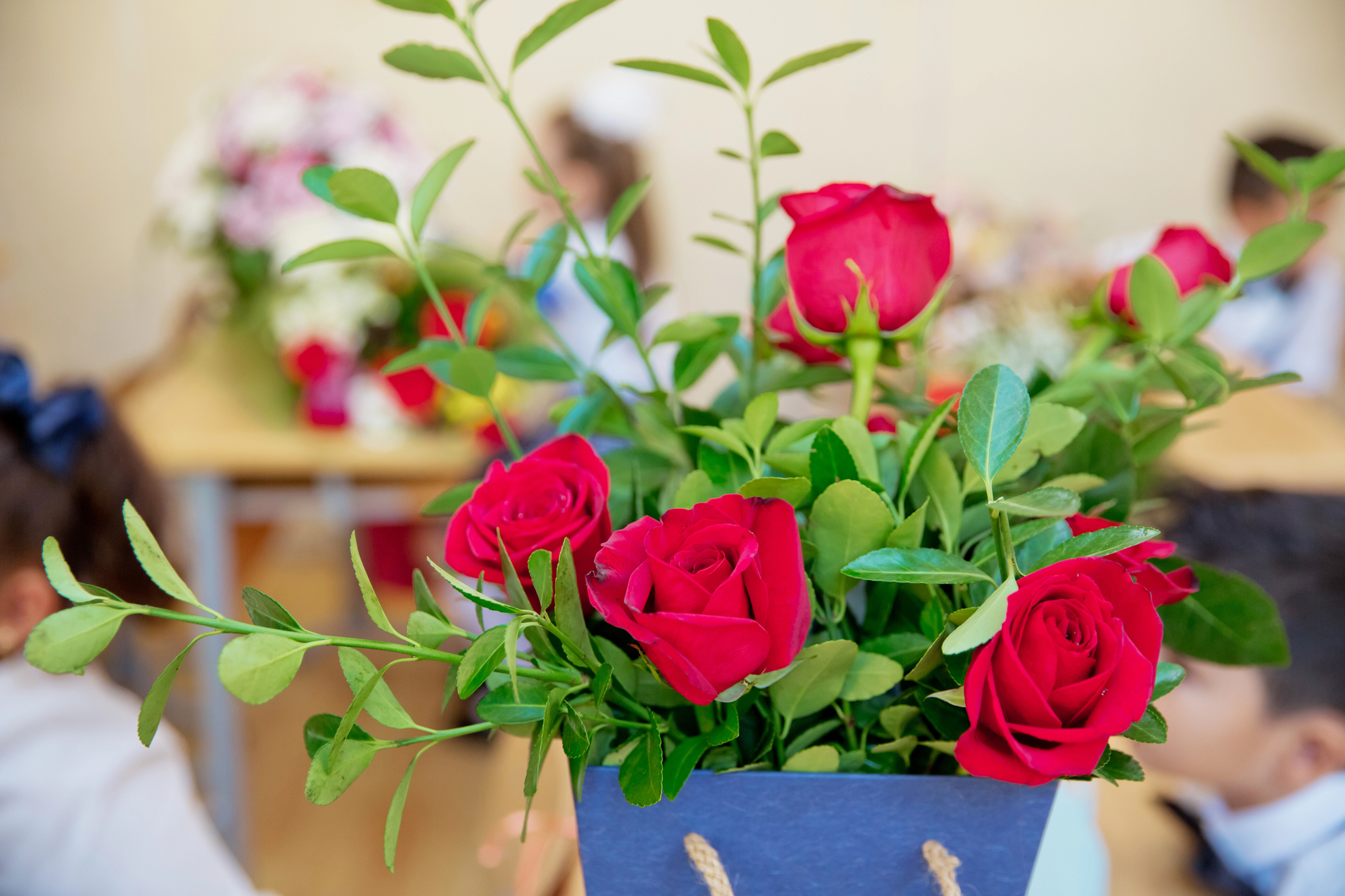
The Best Christmas Classroom Scents

lawandashields131

The holiday season brings magic, excitement, and a noticeable disruption to your regular classroom activities. Decorations sparkle, winter music hums softly in the background, and students can almost taste the break ahead (So can I to be honest.) But along with the joy of the holiday season often comes restlessness, overstimulation, and shorter attention spans.

What if one subtle change could help calm your classroom, improve your students’ behavior, and still keep your classroom feeling festive? Well, I gotcha. Begin with the perfect Christmas classroom scents. When used intentionally, safely, and thoughtfully, they can help to transform your classroom into a festive yet focused place.

Now, let’s explore some classroom-safe holiday scents, how scent affects student mood and learning, and practical tips for using scent responsibly in your classroom.

(more…)

The Best Seasonal Scents for the Christmas Holiday

lawandashields131

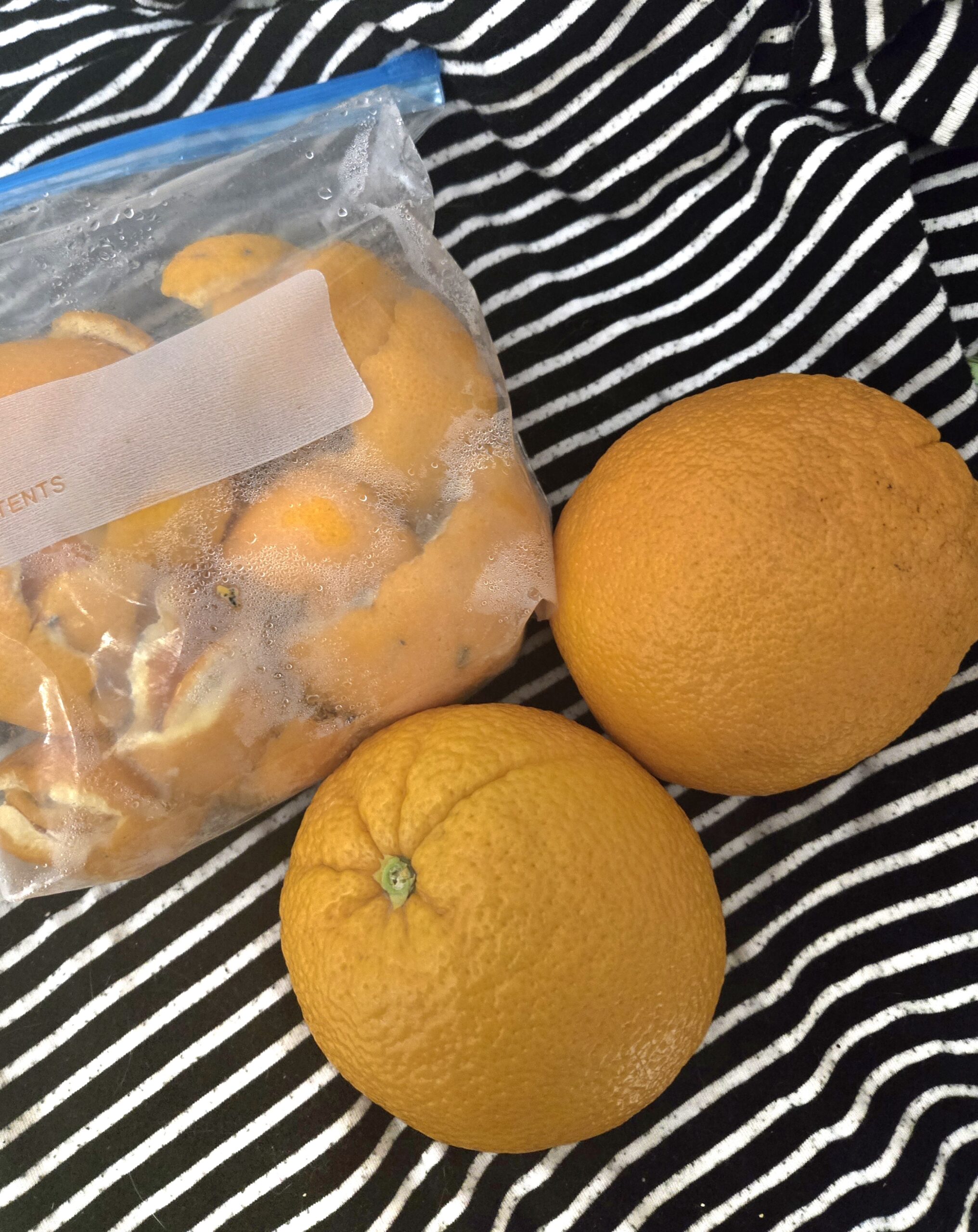
Christmastime is here! And, there is something unmistakably magical about Christmas. A big part of that is those wonderful scents that come along with the holiday. Before the tree is fully decorated or the lights are hung, it is often a familiar aroma drifting through the air that signals the arrival of the season. One whiff of pine, cinnamon, or warm vanilla can transport you instantly—to childhood memories, candlelit evenings, or quiet winter mornings wrapped in a blanket with a mug of something warm.

Scents have the power to shape mood, trigger nostalgia, and turn ordinary spaces into places of comfort and celebration. During the Christmas holiday, seasonal fragrances do more than simply make a home or a classroom (for us teachers) smell pleasant—they create atmosphere, tradition, and emotional connection.

Let’s explore the best seasonal scents for the Christmas holiday, why they matter, how they affect emotions, and how to use them intentionally throughout your home. Whether you prefer classic holiday aromas or modern blends with a festive twist, I got you! So, let’s discover some of the scents that make the season feel richer, warmer, and more memorable.

(more…)

25 Creative Ways to Celebrate the Holiday for Homeschoolers

lawandashields131

The holiday season is upon us, and it is made even more special by being about to be home with your kiddos. But, as a homeschooling parent, it can be challenging to maintain a regular learning environment while also celebrating the holiday season. Confusing…confusing. I know! Don’t worry. I got you covered with 25 fun and creative ways to celebrate the festive holiday season as a homeschool parent.

(more…)

How to Increase Your Child’s Vocabulary Naturally at Home

lawandashields131

Playful & Practical Ways to Build Word Power Without Worksheets

When parents think about helping their children succeed in reading and writing, one word often comes to mind: vocabulary. A strong vocabulary isn’t just about memorizing definitions—it’s about understanding, using, and playing with words in a way that builds both confidence and communication.

The good news? You don’t need piles of worksheets, flashcards, or fancy apps to help your child grow their vocabulary. You can nurture word learning naturally, right at home, through conversation, storytelling, reading, and play. In fact, the most effective vocabulary development happens in moments of laughter, curiosity, and creativity—when words come alive in real-life situations.

And, you can turn your ordinary family moments into rich word-learning adventures. There are playful ways to introduce new words. So, do you want to know how to increase your child’s vocabulary naturally at home? Yes? Well, I got you.

We’ll look at some fun strategies for building a word-loving home, and practical activities that strengthen reading comprehension and writing skills—all while having fun together. And, isn’t that one of the main reasons you decided to homeschool anyway🤷🏾‍♀️?


Why Vocabulary Growth Matters for Every Child

Homeschooling girl and dad reading and using other strategies to help increase her vocabulary

Vocabulary is more than just knowing what words mean—it’s the key to understanding the world. Children who have a rich vocabulary can read more effectively, express themselves clearly, and think more critically. In short, words are the tools that allow kids to unlock meaning, make sense of ideas, and share their own thoughts and ideas.

Research consistently shows that vocabulary knowledge is one of the strongest predictors of reading comprehension. When kids know more words, they can better understand what they read. Likewise, a child who can use a variety of words in conversation and writing demonstrates deeper thinking and creativity. And, as a homeschooling parent who wants to give their child an edge, it makes sense to emphasize vocabulary.

Here’s how vocabulary growth impacts every area of learning:

  • Reading Comprehension: Children can decode and understand stories, articles, and instructions with ease.
  • Writing Confidence: A broad vocabulary helps kids express their thoughts clearly and powerfully.
  • Academic Success: In every subject—from science to social studies—word understanding supports learning.
  • Social Skills: Words build connection; they help kids communicate emotions, ideas, and empathy.

The takeaway? The more words your child knows, the more doors open for them—academically, socially, and emotionally.


The Problem with Worksheets and Rote Memorization

Many parents have seen vocabulary worksheets come home in backpacks—lists of words to define, sentences to write, and tests to prepare for. While these can reinforce some learning, they can often lack meaningful connection.

When vocabulary study is reduced to memorizing definitions, children may learn words temporarily, but they don’t always retain them or understand how to use them naturally.

Instead of focusing on rote memorization, you can increase your child’s vocabulary naturally by providing him/her with rich exposure to new words through real experiences—reading books, hearing stories, talking with adults, and exploring new topics. The more words they encounter in context, the more they’ll remember the words.

The goal is to make vocabulary an important part of your family life—as well as your homeschool curriculum. You can naturally sprinkle in some vocabulary while cooking dinner, reading bedtime stories, or taking a walk outside.


How to Increase Your Child’s Vocabulary Naturally at Home

The best vocabulary builders are not worksheets—they’re conversations, stories, and shared experiences. (But, don’t get me wrong. Worksheets have their place.) You can teach your child new words in ways that feel natural, joyful, and part of everyday life.

Here are practical, parent-friendly strategies for growing your child’s vocabulary at home—without pressure and without paperwork.


1. Create a “Word of the Day” Family Challenge

A Word of the Day Challenge is a simple and fun way to introduce new vocabulary. Choose one interesting word each day and make it the star of conversation.

Here’s how to get started:

  • Pick a word that’s unusual but useful. Examples: marvelous, curious, gleaming, fragile, adventurous.
  • Write it on a chalkboard, sticky note, or refrigerator whiteboard.
  • Challenge family members to use it naturally throughout the day.

Make it fun by rewarding creativity: who used the word most often? Who used it in the funniest sentence? (This is something I did all the time in my classroom. My students loved the natural integration of the vocabulary into their daily practice. And, their reading comprehension shot up!)

You can even theme your words—use “nature words” one week (bloom, rustle, glimmer) and “feeling words” the next (calm, anxious, thrilled).

Why it works: When children use new words in conversation, they move from passive recognition to active mastery. They don’t just “know” the word—they own it.


2. Build a Family Word Journal

A Family Word Journal is like a treasure chest of language—filled with discoveries, jokes, and memorable phrases you collect together.

How to start:

  • Get a notebook or digital document labeled “Our Word Journal.”
  • Encourage every family member to add new words they hear, read, or make up.
  • Write the word, its meaning, where you found it, and a funny or personal example sentence.

Example entry:

Word: Dazzling
Meaning: Very bright or impressive
Found in: The fireworks show last night
Our Sentence: The fireworks were so dazzling that we forgot to eat our ice cream!

This ongoing journal becomes a living record of your family’s curiosity and word growth. Revisit it weekly to quiz each other or use favorite words in family stories.

Why it works: Recording words creates ownership and pride. It also reinforces long-term memory, especially when kids revisit and reuse their entries.


3. Play Storytelling Games That Stretch the Imagination

Here’s one of my favorite activities….storytelling. Storytelling games are one of the most powerful and enjoyable tools for vocabulary development. Through storytelling, kids use descriptive language, explore emotions, and learn how words fit together naturally.

Try these fun family storytelling games:

“Story Cubes” or “Mystery Bag”

Use picture cubes, random household items, or photos. Each player picks one and must include that object in their story. Encourage creative word choices—ask, “Can you describe it another way?”

The “Mystery Bag” was another activity that I often used in my classroom. It was fun to see how my students used the words or pictures that they pulled out of the bag.


4. Turn Family Conversations into Word-Rich Moments

Never underestimate the power of everyday conversation. Dinner tables, car rides, and bedtime chats are perfect times to introduce and explore new words.

Here’s how:

  • Use rich, expressive language in normal speech—“That was a spectacular sunset,” or “I’m feeling optimistic about tomorrow.”
  • Ask open-ended questions: “What do you think curious means?” or “When was a time you felt astonished?”
  • Encourage your child to ask about words they don’t know instead of skipping them.

Even small adjustments in how you talk to your child—using more descriptive words and discussing meanings—can dramatically boost vocabulary exposure over time.

Why it works: Children learn language by hearing it used in context. When parents model rich vocabulary, kids naturally adopt it.


5. Read Aloud Every Day (Even After They Can Read Alone)

All kids love to be read to. Yes, even the older ones. My middle and high school students enjoyed being read to just as much as the younger kids.

Reading aloud is the single most effective way to expose children to new words. When you read books aloud, your kids encounter vocabulary that’s richer and more complex than everyday speech.

Choose a mix of books:

  • Fiction: Fairy tales, adventure stories, and picture books spark imagination and emotional language.
  • Nonfiction: Books about animals, science, and history introduce technical and informational words.
  • Poetry: Poems play with rhythm, imagery, and sound—helping kids appreciate how words feel.

Pause occasionally to discuss unfamiliar words. Ask, “What do you think this word means?” or “Let’s look at how the author used this word.”

Why it works: Hearing words in stories provides context, which helps kids infer meanings naturally and use them accurately in their own speech and writing.


6. Explore Nature and Everyday Life Through Words

The world outside your front door is full of vocabulary lessons waiting to happen. Take a simple walk and turn it into a language adventure.

Encourage your child to describe what they see:

  • “What does that cloud look like?”
  • “Can you find something rough, something smooth, something glimmering?”
  • “Let’s think of five words to describe this park.”

Even cooking, gardening, or grocery shopping can become word-learning opportunities. Talk about textures, smells, shapes, and feelings.

Why it works: Real-life experiences connect words to sensory details, making vocabulary meaningful and memorable.


7. Use Music, Rhymes, and Wordplay

Children love rhythm and repetition, and that makes songs and rhymes powerful tools for vocabulary building.

Sing together, recite nursery rhymes, or make up your own silly songs. Explore wordplay through puns, jokes, and tongue twisters.

Examples:

  • “How much wood would a woodchuck chuck…”
  • “Peter Piper picked a peck of pickled peppers.”

**This also provides another great opportunity to discuss and analyze poems and to explore figurative language like alliteration.

Why it works: Rhyme and rhythm help kids hear patterns in language, improving both vocabulary and phonological awareness—key skills for reading and spelling.


8. Encourage Writing and Journaling

How can writing help to increase your child’s vocabulary naturally? Writing helps children own the words they know. Encourage your child to keep a creative journal, storybook, or even a “word art” notebook where they draw and describe favorite words.

Here are a few fun writing ideas:

  • Word Art Pages: Choose a favorite word (like sparkle or courage) and decorate it with doodles, colors, and examples.
  • Mini Stories: Use five new words to create a short story or comic strip.
  • Letter Writing: Have your child write letters to family or friends using their newest words.

Why it works: Writing forces children to think about how words fit together, improving their grammar, creativity, and expressive power.


9. Celebrate Curiosity and Questions

When your child asks, “What does that mean?”—celebrate it! Curiosity is the engine of vocabulary growth.

Instead of giving a quick definition, encourage exploration:

  • “What do you think it means based on the sentence?”
  • “Let’s look it up together.”
  • “Can you think of another word that means something similar?”

When kids are encouraged to question, guess, and experiment with words, they develop confidence and an internal drive to learn more.

Why it works: Children who see language as an adventure rather than an assignment develop a lifelong love for learning and reading.


How Vocabulary Strengthens Reading and Writing Confidence

When children build their vocabulary naturally, it transforms not just how they read and write—but how they feel about reading and writing.

A rich vocabulary gives children the tools to:

  • Understand what they read more deeply
  • Make connections between ideas
  • Express emotions and opinions clearly
  • Write creatively and effectively

Students who know more words are more confident readers because they can decode meaning instead of feeling stuck. And when they write, their words flow more freely—they can describe, explain, and persuade with precision.

The result? Reading and writing stop being chores and start becoming adventures in expression.


How Parents Can Build a Word-Loving Home

Here are some final tips for creating an environment where words thrive:

  • Surround your child with books—from bedtime stories to cookbooks, let reading materials be visible and accessible.
  • Model word curiosity. When you encounter a new word, say, “Hmm, I’ve never heard that one before. Let’s find out what it means.”
  • Play games like Scrabble, Boggle, or even Jeopardy (you can make your own version online) that make words fun and competitive.
  • Display a “word wall” at home—sticky notes, flashcards, or posters of new vocabulary from books or family adventures.
  • Read and talk daily. Even 10 minutes a day of shared reading and conversation has a lifelong impact.

A word-loving home is a place where curiosity is rewarded, questions are welcomed, and language is celebrated. And, best of all, these strategies will help to naturally increase your child’s vocabulary without seeming like learning at all!


Words That Build Wisdom

Help increase your child’s vocabulary naturally at home doesn’t require a curriculum—it requires connection, conversation, and curiosity.

When you play with words, tell stories, explore books, and share laughter, you’re doing far more than teaching definitions. You’re shaping a child who is confident, expressive, and eager to learn.

Every word your child learns becomes a building block for understanding.

So start small. Pick today’s word. Open a book. Ask a question. Laugh over a silly rhyme. These small, joyful moments of word play add up to something big: a lifelong love of language.

Because when children grow from words to wisdom, they don’t just learn how to speak—they learn how to see the world.

Other Articles to Read to help you learn how to increase your child’s vocabulary naturally:

https://2cuteclassroom.blogspot.com/2014/09/word-walls-can-be-used-at-home.html

Other Videos to Watch:

How to Preventing Teacher Burnout: Strategies Teachers Can Use to Preserve Their Sanity

lawandashields131

The Reality of Teacher Burnout

Teaching is one of the most fulfilling careers, but it also comes with high levels of stress and exhaustion. Between long hours, increasing workloads, and emotional demands, many educators, like me, can experience teacher burnout—a state of mental, physical, and emotional exhaustion.

And, unfortunately, a large percentage of teachers consider leaving the profession. However, there are other alternatives to quitting teaching. With the right strategies, educators can prevent burnout and reclaim their love for teaching. The following are some strategies that teachers and other educators can use to manage workload, reduce stress, prioritize self-care, and prevent teacher burnout.

(more…)

Teacher Stategies that Give YOU the Most Return on Investment

lawandashields131

Every teacher knows what it feels like to be pulled in ten different directions at once. You’re grading essays, answering parent emails, planning lessons, handling classroom management, decorating bulletin boards, and trying to squeeze in a few moments of personal sanity (if you are lucky) before the next bell rings. It’s easy to fall into the trap of doing everything because it all feels important. But, stop! Focus on teacher ROI instead.

Here’s a secret many successful teachers learn over time: not everything you do gives you the same return on investment (ROI). Some tasks give you big results—better learning, calmer classrooms, stronger relationships—while others take a lot of effort and give very little in return. Understanding where your time, energy, and attention pay off the most can change not only your classroom but also your entire outlook on teaching.

Let’s dig deeper into what ROI really means for teachers, how to identify the tasks that bring the greatest impact, and how to start teaching smarter—not just harder.

(more…)

How Teachers Can Set the Stage for a Successful Day

lawandashields131

Get ready…Set Go! That’s often how morning feel when you are a teacher. There isn’t time to barely breath let alone think. But, if you are a teacher, you know how important mornings are. Our mornings play a crucial role in setting the tone for the entire day. And, a well-structured morning routine not only helps us prepare ourselves but also sets our students up for success. In this blog post, we will explore the best routine for teachers to help them create a successful classroom day. This includes things like focusing on essential elements like bell ringers, activating prior knowledge, lesson introduction, modeling, guided practice, and independent work. So, let’s dive in and create a friendly and effective morning routine that leaves everyone excited to learn!

(more…)

The Case Against Mandatory Summer Work and Professional Development

lawandashields131

More Than Just a Break – It’s a Lifeline

When the final bell rings in June, most people assume teachers are packing for beach vacations or sleeping in late for two to three months straight. But the reality? It’s far more complicated than most people think. For many educators, summer is hijacked by professional development workshops, curriculum planning, unpaid school duties, and classroom revamps. And, let’s not get started on the “year-round school” issue.  What happened to the idea of a real summer break?

Let’s  pull back the curtain on why teachers desperately need – and absolutely deserve – uninterrupted summers🙋🏾‍♀️. We’ll explore the physical, emotional, and psychological toll teaching takes throughout the year and why summer should not be filled with mandated PDs, training sessions, or “volunteer” responsibilities. By the end, you’ll understand not only why teachers need summer break!

(more…)

How to Turn Family Reunion Budgeting Into Real Life Teachable Moments for Kids

lawandashields131

Family reunions….They sound like fun, right? And, they can be. It’s exciting getting to see your cousins, and other distant family members. But behind every joyful, laughter-filled photo is

the hustle: the months of coordination, budgeting, conflict resolution, and spreadsheet juggling. Planning a family reunion might seem like just another grown-up duty, but family reunion budgeting can also provide a wealth of teachable moments for your kids. Family reunion planning can offer a crash course in the real-world skills. So, let’s go!

(more…)

How to Build Confidence in Struggling Adult Readers: Breaking Barriers for Struggling Readers

lawandashields131

Adult literacy is more than just learning to read. It is about reclaiming self-worth, rebuilding confidence, and removing decades of shame. For struggling adult readers, each word on the page may carry the weight of missed opportunities, harsh judgments, and deep-seated embarrassment. Educators, tutors, and program directors must recognize the emotional and psychological toll illiteracy takes and actively work to create learning environments that foster empowerment instead of shame.

In this post, we’ll explore the internal and external challenges adult learners face. And, we’ll explore ways to help build confidence in these struggling adult readers. So, let’s go!

(more…)